Tag: specialists

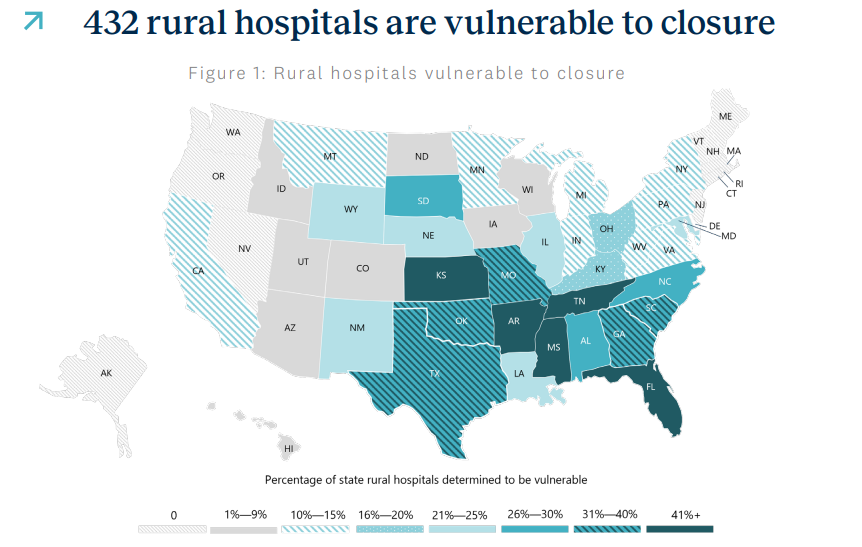
  • Over 400 rural hospitals are at a risk of closure

    source: Chartis 2025 “Rural Health state of the state”

    Why is that?

    • Smaller, aging populations mean lower patient volumes.
    • Heavy reliance on Medicare and Medicaid leads to thinner margins.
    • Workforce shortages drive up costs and limit service lines.
    • Closures of OB, oncology, and other departments reduce both access and revenue.

    The result: communities lose local care options, and hospitals struggle to remain anchors of health.

    At HealthOcta, we’re building VideoConsults to help rural hospitals retain patients, expand specialty coverage, and strengthen their long-term sustainability. We believe technology should reduce the pressure, not add to it.

    How VideoConsults helps here?

    Problem: Low patient volumes + service line closures make it hard to justify onsite specialists.
    VideoConsults helps by: Allowing rural hospitals to access specialists on-demand (cardiology, ID, endocrinology, etc.) without the fixed cost of hiring full-time staff. Patients can be kept local rather than transferred out.

    Problem: High transfer rates = lost revenue + fragmented care.
    VideoConsults helps by: Giving ERs and inpatient units a direct specialist connection. Many cases that would have been transferred can now be managed locally, keeping both revenue and trust in the community hospital.

    Problem: Workforce shortages, recruitment difficulty, and burnout.
    VideoConsults helps by: Extending the reach of the limited staff they do have. A single hospitalist can lean on specialty support, reducing decision fatigue and improving confidence in care.

    Problem: Financial pressure from payer mix and sustainability issues.
    VideoConsults helps by: Creating a flexible, scalable specialty access model that grows (or shrinks) with patient volume, no sunk cost in trying to sustain a low-volume service line.

    Problem: Community trust erodes when services vanish.
    VideoConsults helps by: Preserving access to advanced care close to home, reinforcing the hospital’s role as the anchor of the community.

    What makes VideoConsults unique in how we approach the solution…

    Unlike outsourced telehealth services, VideoConsults is not a replacement for your team, it’s an infrastructure layer that hospitals license and control. We’re a specialty access fabric that brings to you integrated devices, structured intake and telehealth tools. Add to it your own specialists or specialists you contract with. We even have a directory of specialists we could refer to you.

    • Clinical control stays local: Hospital leadership decides which specialists to connect, whether it’s their own employed physicians or contracted partners.
    • Flexible staffing: Rural hospitals can choose to partner with regional hubs, independent specialists, or IDNs, and swap or add partners without changing the platform.
    • Technology + compliance backbone: We bring structured intake, EMR-lite documentation, device integration, and even offer back-office support, but the hospital leads care delivery.

    Sustainable model: This puts community hospitals in the driver’s seat, they decide where to invest scarce resources while still ensuring specialty coverage.

    Too often, “tech solutions” create new problems – more workflows, more costs. For rural hospitals already stretched thin, that’s not sustainable. We built VideoConsults with a different principle: technology should lighten the load. By simplifying specialty access, reducing transfers, and fitting seamlessly into existing operations, our platform helps hospitals strengthen care without adding complexity or taking control away from leadership. In addition, VideoConsults is designed to be flexible for every budget. Tap to see more about the VideoConsults platform or talk to us about it.

  • Better care with CarePlus: Preventative Screenings in Primary Care

    What if the most important health conditions could be caught early, right at your doctor’s office, without needing multiple appointments, specialists, or delays?

    CarePlus by HealthOcta is a new kind of technology platform built to transform how and where preventative healthcare happens. By enabling diagnostic screenings at the point of primary care, CarePlus helps identify critical health risks earlier, improving outcomes for patients, reducing long-term costs for payers, and empowering providers with better tools.


    What Is CarePlus?

    CarePlus is a software-powered screening platform that equips primary care offices with the tools, training, and workflows to deliver preventative health screenings during routine checkups. Screenings are either automated through structured questionnaires or powered by onsite imaging devices whose results are reviewed remotely by specialists on the CarePlus network.

    Our goal is simple but powerful: Bring preventative care to the frontline of medicine, the Primary Care Provider (PCP).


    What Problems Does CarePlus Solve?

    Preventative screenings are underutilized, despite their proven impact. Why?

    • They often require referrals, separate appointments, or specialized clinics
    • Many practices lack equipment or trained staff
    • Follow-through is low: patients don’t always act on referrals
    • Insurers bear the cost of avoidable disease progression

    CarePlus solves this by:

    • Embedding screenings into routine PCP workflows
    • Providing devices and software directly to the clinic
    • Training staff to capture the data without specialist supervision
    • Enabling remote reviews by credentialed specialists
    • Supporting proper documentation and payer reimbursement

    Our First Solution: Diabetic Retinopathy Screening

    We’re launching CarePlus with a major public health challenge in mind: diabetic retinopathy, the leading cause of blindness in working-age adults.

    Why this matters:

    • Over 38 million Americans are diabetic or prediabetic
    • Eye exams are often skipped due to cost, time, logistics or simply the lack of proactive interest by a patient
    • Retinopathy is preventable if caught early

    How CarePlus Works:

    • A smart fundoscope is provided to PCP clinics
    • Medical assistants are trained to capture retinal images during the patient visit
    • Images are uploaded securely and read by licensed ophthalmologists in the CarePlus network
    • PCPs are notified of the results, and at-risk patients are referred
    • Payers reimburse both the screening and reading
    • Patients get better care, without extra effort or delays

    What’s Next: Expanding the Scope of Preventative Screening

    CarePlus is designed to be modular and extensible. Beyond retinopathy, we’re actively developing and validating new screening modules:

    In Development:

    • Mental Health Screenings
      Using evidence-based questionnaires (PHQ-9, GAD-7, PCL-5), patients can be screened during visits with automated scoring and referral guidance. This is especially valuable as depression and anxiety go undetected in over 50% of primary care encounters.
    • Peripheral Artery Disease (ABI Testing)
      Early detection can prevent major cardiovascular complications.
    • Chronic Kidney Disease Screening
      With early indicators flagged via simple urinalysis or eGFR integration.
    • Cognitive Impairment / Dementia Screening
      Tools for aging populations using structured assessments (e.g., MoCA).
    • Spirometry for COPD and Asthma Management
      Lung function testing, simplified for use by PCP staff and reviewed remotely.

    Our Vision

    Preventative care should be:

    • Accessible at the point of contact
    • Affordable through payer-aligned workflows
    • Actionable with structured follow-up
    • Scalable across practices and populations

    CarePlus brings all of that together, starting with real tools, in real clinics, solving real problems.


    📩 Want to partner with us or learn how CarePlus can support your clinic or health system?
    Reach out at [email protected] or visit www.healthocta.com/careplus


  • Partner With HealthOcta: Expand Your Reach Through eClinics & VideoConsults

    About HealthOcta

    HealthOcta is redefining how physicians and healthcare organizations connect with patients and facilities. We provide the secure, compliant, and easy-to-use infrastructure that lets healthcare practitioners focus on practicing medicine, while we handle the technology, scheduling, payments, and operational support.

    Our eClinic solutions empower physicians & physician groups to build independent practices online while through VideoConsults we’re also creating access channels for you to support hospitals, ERs, assisted living facilities, and urgent care centers that urgently need subspecialty expertise.

    eClinics: Your Telemedicine Practice, Simplified

    Turnkey telemedicine practice: No setup costs, no infrastructure investments.

    Direct patient access: Patients can book you directly from your profile, or be matched through our platform’s smart routing.

    Flexible models: Offer second opinions, chronic disease management, or focus on international patients.

    Durable practice model: Build income on your own terms and continue practicing well into retirement.

    With eClinics, you’re in control, you define your consultation rates, define your services, and practice medicine your way. Learn more about eClinics by HealthOcta

    VideoConsults: Better Access for Hospitals & Facilities

    Specialist support on demand: Be the remote expert when hospitals, ERs, or ALFs need you most.

    Better patient outcomes: Enable local providers to make faster, more accurate decisions without unnecessary transfers.

    Expanded reach through HealthOcta: Your expertise is extended hundreds of miles without leaving your office.

    Institutional partnerships: Hospitals and facilities contract with HealthOcta to secure access to specialists like you.

    VideoConsults lets you plug directly into the needs of healthcare organizations, becoming their lifeline for subspecialty care. Learn more about VideoConsults by HealthOcta

    Why teaming up with HealthOcta is a win-win

    Sub-SpecialtyWhy It’s a Fit for Providers & Healthcare Institutions
    OphthalmologyERs & rural hospitals often lack on-site ophthalmologists; critical for “treat vs transfer” in acute eye injuries or retinal issues
    DermatologyALFs, SNFs, urgent care, and primary care can assess lesions, rashes, infections remotely
    CardiologyNeeded for chest pain triage, arrhythmia detection, CHF management in hospitals, ALFs, SNFs, home health
    EndocrinologyChronic care in primary care/FQHCs and SNFs; diabetes management & thyroid follow-up
    Infectious DiseaseWound care in SNFs, ALFs, correctional facilities; outbreak containment in rural hospitals & tribal health
    OrthopedicsInjury triage in ER/urgent care/occupational health; post-op follow-up in rehab facilities
    PsychiatryHigh demand in ALFs, SNFs, correctional facilities, urgent care for behavioral health crises
    Pain ManagementChronic pain evaluation for ALFs, SNFs, rehab, home health
    PulmonologyCOPD, asthma, post-COVID lung follow-up in rural hospitals, SNFs, home health
    RheumatologyALFs/SNFs for arthritis and autoimmune disease management

    How HealthOcta Works With Providers

    • For eClinics: Providers practice independently. We provide the platform and support in exchange for a simple, transparent platform fee or subscription.
    • For VideoConsults: We contract with facilities, you provide the clinical expertise, and we enable the technology & secure connection.

    In both cases, you bill as the provider of record. HealthOcta never interferes with your clinical independence.

    Next Step:
    Join HealthOcta today. Contact us. Open up your eClinic and gain access to institutional opportunities through VideoConsults. Let’s build the future of accessible, high-quality care together.

  • Need a Second Opinion? Here’s Why More Patients Are Turning to eClinics by HealthOcta

    When it comes to your health, uncertainty is not an option. If you’ve been given a diagnosis you’re unsure about, or you’re facing a serious treatment decision, getting a second opinion can provide clarity, confidence, and in some cases, a completely different direction.

    But in the traditional healthcare system, getting a second opinion often takes weeks. You need referrals, approvals, and the patience to navigate scheduling bottlenecks. If you’re uninsured or paying out of pocket, it can be even harder to access the expertise you need.

    That’s where eClinics by HealthOcta comes in.


    Second opinions, without the wait

    eClinics by HealthOcta is a virtual care platform that gives you direct access to licensed doctors—including specialists—without needing insurance or referrals. You browse profiles, choose a provider based on their background and experience, and book a consult on your time. It’s pay-per-consult, with upfront pricing and no hidden charges.

    Whether you’re dealing with a chronic condition, a recent diagnosis, or a recommendation for surgery, you can speak with a qualified expert who listens carefully, reviews your history, and gives you real feedback.

    Why second opinions matter

    Second opinions aren’t just about peace of mind. They often lead to better outcomes. Studies have shown that when patients seek a second opinion:

    • 15–30% receive a changed or refined diagnosis
    • More than 60% receive a modified treatment plan
    • Some patients are able to avoid unnecessary procedures altogether

    In many cases, it’s not that the first doctor was wrong. It’s that medicine is complex, and perspectives differ. A second pair of eyes can reveal things that were missed—or offer a simpler, less invasive solution.

    Global access to specialists

    One of the advantages of eClinics by HealthOcta is that you’re not limited to specialists in your city or your network. You can consult with doctors across the country or even across borders. Many are internationally trained, have U.S. board certifications, or have years of experience managing exactly the condition you’re dealing with.

    This matters if you:

    • Live in a rural area or a small town
    • Don’t want to wait weeks for an in-network referral
    • Want the input of someone with a different medical background
    • Need an expert in a specific subspecialty that’s not locally available

    No insurance? No problem.

    Traditional second opinions often require insurance approvals, copays, or travel. With eClinics, you skip the bureaucracy entirely. Everything is paid directly between you and the provider. You know the cost before you book. You’re not locked into long-term plans or subscriptions. You pay only when you need care.

    For patients with high-deductible plans or no insurance at all, this model removes the friction. It puts you back in control of your health.

    Built for people who want answers, not obstacles

    If you’ve ever left a medical appointment with more questions than answers, you’re not alone. eClinics is designed for people who want clear, expert guidance without the delays and barriers of traditional care.

    You’re not rushed. You’re not navigating a call center or portal. You’re speaking with a medical professional who’s there to listen and respond—on your terms.

    Take the next step

    Getting a second opinion used to be a hassle. Now it’s a few clicks away. eClinics by HealthOcta makes it easier to be informed, proactive, and confident in your medical decisions. It’s a simple platform built around your needs—not insurance networks, hospital systems, or outdated rules.

    When it comes to your health, more clarity is never a bad idea.

  • Why Patients are frustrated with Healthcare and How eClinics by HealthOcta offers a Better Way

    Healthcare today is broken for a lot of people. Appointments take too long. Prices are confusing. Insurance creates more problems than it solves. Most patients just want clear answers, affordable care, and someone who listens. Instead, they often face delays, dead ends, and costs they didn’t see coming.

    We’re creating eClinics by HealthOcta (expected to launch by September 2025) to change that.

    One of the biggest frustrations people face is how long it takes to get help. It’s not uncommon to wait two to four weeks for a basic appointment. Seeing a specialist can take even longer. In that time, your symptoms could worsen, your anxiety builds, and your options shrink. With eClinics, you can often speak to a doctor within a day or two. You choose the provider, pick the time, and get answers when you need them, not weeks later.

    Another common issue is the cost of care. In many cases, patients don’t know what they’ll owe until the bill arrives. Even with insurance, there are copays, deductibles, and confusing out-of-network charges. If you’re uninsured, the price of a simple visit can feel out of reach. eClinics uses a pay-per-consult model. No premiums, no copays – even no subscriptions. Prices are clearly listed upfront. You only pay for your consult, and nothing is hidden.

    Insurance adds another layer of complexity. Patients often feel trapped in narrow provider networks. Even when covered, they struggle to find a doctor who’s available soon. If you’re out-of-network or without coverage, your options can feel limited. eclinics removes that barrier. Anyone can use it—whether they have insurance or not. There’s no paperwork, no prior authorization, and no gatekeeping.

    Many people also turn to eClinics when they want a second opinion. That could mean reviewing a diagnosis, understanding a treatment plan, or getting another perspective before deciding on surgery. Traditionally, getting a second opinion means travel, long delays, or high specialist fees. eclinics makes it possible to consult with doctors and specialists from across the country, or even internationally, without leaving your home.

    Perhaps the most important issue is that many patients don’t feel heard. Appointments feel rushed. Doctors are overloaded. People walk out with more questions than they came in with. eClinics is designed to be more focused. You choose the provider. You speak directly with a medical professional who takes the time to listen, understand your concerns, and guides you.

    The current healthcare system makes basic care difficult to access. eClinics offers a simpler path. No referrals. No networks. No fine print. Just straightforward access to real medical expertise, priced clearly and delivered on your terms.

    If you’re uninsured, managing a chronic condition, traveling, or just tired of waiting weeks for answers, eclinics gives you a better option. It doesn’t replace your primary care provider. It gives you more control and more flexibility when it matters most.

    Because taking care of your health shouldn’t be complicated. And it shouldn’t depend on what insurance card you carry.

  • Introducing CarePlus: A Platform Transforming Preventative Screening in Primary Care

    What is CarePlus?

    CarePlus is a technology platform designed to embed preventative health screenings directly into the primary care office workflow. It integrates digital diagnostic devices and patient-friendly questionnaires, enabling medical assistants and PCP staff to perform screenings during routine visits. Data collected, ranging from questionnaire responses to imaging results, is securely transmitted to remote specialists for expert review. The platform further employs algorithmic risk stratification and longitudinal data analysis to support ongoing patient management and timely referrals.

    What Impact Does CarePlus Bring to Healthcare? Who Does It Help?

    CarePlus addresses critical gaps in current healthcare delivery by making preventative screenings more accessible, timely, and efficient. Its impact includes:

    • For Payers and Health Systems: Early identification and management of high-risk patients reduce downstream expenditures and support population health goals through data-driven insights.
    • For Patients: Earlier detection of chronic conditions reduces morbidity and prevents costly complications, improving quality of life. Screenings integrated into routine visits lower barriers such as time, cost, and access to specialists.
    • For Primary Care Providers (PCPs): CarePlus expands clinical capabilities, allowing PCPs to deliver more comprehensive care and receive reimbursement for new services, without significant workflow disruption.
    • For Specialists: Remote interpretation of screening data optimizes specialist time by focusing on clinically significant cases referred through the platform.

    CarePlus and Diabetic Retinopathy Screening: A Use Case

    Diabetic retinopathy (DR) affects over 38 million Americans with diabetes or prediabetes, yet many patients miss annual eye exams, leading to preventable vision loss. CarePlus addresses this by deploying a digital fundoscope within the PCP office, operated by trained staff during routine checkups.

    • Retinal images captured are securely transmitted to a network of remote ophthalmologists who grade the images based on standardized criteria.
    • Patients flagged as at-risk are referred promptly for specialist intervention.
    • Those without immediate risk are scheduled for re-evaluation during their next annual screening.
    • The platform can employ algorithmic analysis and longitudinal tracking to monitor changes over time, ensuring continuous patient surveillance and proactive care management.

    This approach effectively closes the gap between primary care and specialty ophthalmology, improving screening rates and enabling early intervention.

    Extending CarePlus to Other High-Impact Screening Areas

    The CarePlus model, integrating onsite screening tools, remote specialist review, and algorithmic patient monitoring is scalable and adaptable to multiple domains with large patient populations:

    • Mental Health: Questionnaires such as PHQ-9 and GAD-7 administered at the PCP office, with results evaluated remotely to identify depression and anxiety early.
    • Peripheral Artery Disease: ABI testing performed onsite with results digitally reviewed to prevent vascular complications.
    • Chronic Kidney Disease: Lab data integrated with algorithmic alerts for early nephrology referral.
    • Cognitive Impairment: Standardized cognitive assessments facilitating early dementia diagnosis.
    • Pulmonary Function: Simplified spirometry used to identify and monitor COPD and asthma.

    Each use case leverages the same principles of embedding screening into routine primary care visits, remote expert interpretation, and data-driven patient management, targeting conditions with significant public health burden.

    CarePlus is positioned to transform preventative care by operationalizing technology and clinical expertise where it matters most: the primary care office.

    Join Us in Shaping the Future of Preventative Health

    Are you a physician, healthcare operator, or subject matter expert with insight into diagnostics, primary care workflows, or health equity?
    HealthOcta is building an expert advisory group to help us define, refine, and expand our CarePlus offerings. Your experience can directly influence scalable solutions that improve outcomes for millions.

    To express interest, email us at [email protected]


  • Diabetes Doesn’t Knock, It Quietly Slips In. Why Education Is Our Best Defense.

    Diabetes Is a Silent Killer. Here’s Why Diabetes Education Saves Lives.

    Diabetes is one of the most widespread chronic diseases in the world. It affects over 500 million people globally and more than 38 million adults in the U.S., yet 1 in 5 people with diabetes are undiagnosed. Often called a “silent killer,” diabetes can progress quietly for years—damaging your organs without noticeable symptoms.

    By the time it’s discovered, serious complications may already be underway.

    That’s why diabetes awareness and education about diabetes are essential—not just for people who’ve already been diagnosed, but for anyone at risk.

    What Does Diabetes Do to the Body?

    Understanding how diabetes affects the body is the first step toward preventing long-term damage. Whether you have type 1 diabetes, type 2 diabetes, or prediabetes, the condition can harm multiple organ systems when left unmanaged.

    Key complications of diabetes include:

    • Diabetic Retinopathy: Leading cause of blindness in adults. Regular diabetic eye exams can catch this early.
    • Kidney Damage (Diabetic Nephropathy): Diabetes is the top cause of chronic kidney disease and end-stage renal failure.
    • Nerve Damage (Diabetic Neuropathy): Leads to pain, numbness, and serious risks like foot ulcers and amputations.
    • Cardiovascular Disease: People with diabetes are 2–4 times more likely to have heart attacks or strokes.
    • Oral Health Complications: Higher risk of gum disease and tooth loss.

    These complications develop slowly and silently, which is why so many people miss the early warning signs.

    Why Diabetes Education Is Important

    What is diabetes education and why is it important? It’s the foundation of diabetes self-management and plays a crucial role in helping people understand:

    • How blood sugar levels affect their health
    • The importance of diet, exercise, and stress management
    • How to use insulin, oral medications, and glucose monitors
    • The value of routine diabetes screenings like A1C tests, cholesterol panels, kidney function tests, and annual diabetic foot and eye exams

    For those with prediabetes, education is even more powerful. Studies show that structured diabetes prevention programs can reduce the risk of developing type 2 diabetes by up to 58%.

    Diabetes Educators across the world are educating patients via their eClinics run on HealthOcta technology to help patients learn how they can manage & lower their A1C through without medications, just with the simple power of being better informed

    Long-Term Diabetes Management Starts with Knowledge

    Living with diabetes doesn’t mean living with fear—it means living with knowledge. People who understand how to manage their condition are far more likely to avoid hospitalizations, preserve their vision, maintain kidney function, and reduce their risk of cardiovascular events.

    This is where Certified Diabetes Educators (CDEs) and primary care providers make a difference. Educating patients with personalized care plans, lifestyle strategies, and tech-enabled tools like continuous glucose monitors (CGMs) can empower them to take control of their health.

    A Message to Primary Care Providers

    If you’re a physician, nurse practitioner, diabetes educator or clinic manager, don’t wait for diabetes complications to emerge. Use every patient visit as a chance to:

    • Recommend annual diabetes screenings
    • Flag prediabetes risk factors
    • Encourage lifestyle changes that actually work
    • Offer or refer to diabetes education programs or nutrition counseling

    Diabetes management isn’t just about medication — it’s about early action, consistent follow-up, and patient education that sticks.

    We invite you to join the HealthCare Collaborative Network by HealthOcta,
    HealthOcta is a technology-driven healthcare company on a mission to fuse cutting-edge technology with medicine — empowering providers to deliver better care, drive efficiency, and improve patient outcomes.

    As part of this mission, we have created the Healthcare Collaborative Network (HCN) — a nationwide community of independent physicians, nurse practitioners, specialists, and nurses who want to do more with technology. HCN is your gateway to use our technology to launch and grow your own practice, earn more on your own terms, and access HealthOcta’s powerful suite of tools — from telemedicine, technology-enabled peripheral integrations, to hiring, scheduling, and even reputation management.

    Whether you’re looking to build independence, expand your reach, streamline how you work, or use technology in your existing independent practice to be more efficient or serve your patients better, HCN gives you the tech, the network, and the support to make it happen — while keeping you in full control of your career.

  • Working smarter, not harder: how HealthOcta is taking a tech-led, people-first approach to healthcare

    Healthcare has a technology problem, but not in the way people think.

    There’s no shortage of apps, portals, or EMRs. What’s missing is technology that makes healthcare more human, not more complicated. At HealthOcta, we’ve been asking one question from the start: How can we reduce friction between patients, providers, and quality care?

    The answer isn’t more layers of software. It’s designing the right tools to serve real people, starting where care actually happens: at the point of need.

    That’s why we built VideoConsults, CarePlus, and eClinics—three platforms, one vision. Each tackles a broken part of healthcare and replaces it with something that just works.

    VideoConsults: real-time access to sub-speciality care, wherever you are

    VideoConsults gives emergency rooms, ACOs, assisted living facilities, and urgent care centers on-demand access to remote subspecialists. When a critical patient arrives and an expert’s input is needed fast, clinicians can instantly connect with a licensed specialist who can assess the case and guide next steps.

    This eliminates unnecessary patient transfers due to lack of in-house expertise. Hospitalists and ER physicians can act faster, with more confidence, knowing they have a world of expertise at their fingertips, right when it matters most.

    CarePlus: embedding preventative care inside the primary care office

    Most health conditions don’t go from fine to critical overnight. But the system rarely catches early warning signs because screenings either don’t happen or aren’t part of routine care.

    CarePlus is changing that. We built it to let primary care physicians offer specialist-grade screenings—right from their office. It started with diabetic retinopathy. Using smart imaging devices and cloud-based ophthalmology reviews, PCPs can now detect vision-threatening conditions during an annual checkup.

    And this is just the beginning. With the same model, CarePlus can support:

    • mental health screenings (PHQ-9, GAD-7),
    • pulmonary function tests,
    • cardiac risk stratification,
    • chronic kidney disease detection,
    • cognitive assessments for aging patients.
    • skin cancer screenings
    • and much more…

    The opportunity is huge, and we’re actively inviting specialists, clinical researchers, and diagnostic innovators to help expand what’s possible. Preventative care should be routine, not reactive. CarePlus helps make that true.

    eClinics: on-demand care, without the insurance maze

    For patients, one of the most frustrating parts of the system is the delay: long wait times, referrals, unclear costs, and insurance-based restrictions. For providers, it’s burnout—rising admin loads and loss of autonomy.

    eClinics gives both sides another option.

    It’s a platform where licensed medical professionals can offer direct-to-patient consultations—with transparent pricing, no referrals, and complete scheduling control. Patients use eClinics for second opinions, chronic condition guidance, general medical advice, or anything in between. Whether they’re insured or not, they can access expert care faster, more affordably, and with no guesswork.

    For doctors, eClinics is a way to practice medicine on their terms, free from rigid institutional constraints. It’s flexible, self-managed, and built for sustainability.

    The bigger picture: a healthcare system that actually works

    Together, these platforms form a new kind of healthcare stack, one that values access, prevention, speed, and dignity.

    • VideoConsults supports clinical decisions where specialty care isn’t always present.
    • CarePlus turns the PCP visit into a proactive screening event, not just a box to check.
    • eClinics puts patients back in control of their care journey, without bureaucracy in the way.

    These aren’t point solutions. They’re infrastructure for a future where patients don’t need to be sick to deserve care, and providers don’t need to burn out to make a difference.

    We’re building the tools we believe healthcare should have had all along.

    If you’re a clinician, technologist, or health system leader looking to help solve real-world problems, we’d love to hear from you. We’re constantly seeking knowledgeable advisors and guides to help us shape our vision and the future of healthcare.

    Because smart technology isn’t about replacing people. It’s about letting them do what they do best.

  • 20 Conditions that your Ophthalmologist could detect by an eye exam

    The contents of this post are copied directly from this article at the American Academy of Ophthalmology.

    Your eyes are windows to the live action of blood vessels, nerves and connective tissues throughout your body. Problems spotted in the eye are often the first signs of disease lurking elsewhere. Here are 20 surprising conditions your eye doctor may detect during a comprehensive eye exam:

    Aneurysm

    An aneurysm is a bubble in the wall of a blood vessel. This weak wall can leak or rupture. Signs of an aneurysm can include a severe, one-sided headache or loss of facial or body function. Aneurysms can be catastrophic and require immediate medical attention.

    Brain tumor

    Tumors can cause increased pressure in the brain that gets transmitted to the eye. Swelling near the back of the eyes causes changes to the optic nerve that an eye doctor can see. Loss of side vision, recent double vision or changes in the size of a pupil are other signs of a brain tumor.

    Cancers of blood, tissue or skin

    Numerous cancers can be found during a detailed eye exam. Skin cancers affect the eyelids and outer surfaces of the eye. The most common types of skin cancers are basal cell, squamous cell and melanoma. Leukemia and lymphoma can also affect the interior aspect of the eye. Tumors in the breast and other areas can spread to the ocular structures. 

    Diabetes

    Tiny blood vessels in the retina that leak yellow fluid or blood can be a sign of diabetic retinopathy. Sometimes, this disease appears in eye tissue even before a person has been diagnosed with diabetes. Early detection can help people avoid vision loss and other serious complications.

    Giant cell arteritis

    Giant cell arteritis (GCA) is a lingering inflammation of medium-sized arteries that affects the arms, upper body and neck. These same arteries help nourish the eyes, and inflammation can result in blurred vision, double vision, or even sudden vision loss in one or both eyes. A dilated eye exam and blood tests for this condition can allow for an early diagnosis of GCA. Medical treatment can prevent a lifetime of blindness or even early death.

    Heart disease

    Ophthalmologists may be able to detect early signs of heart disease in the eyes. When the retina is examined carefully using an imaging tool called optical coherence tomography, doctors may be able to detect microscopic marks left behind by an eye stroke. These marks can appear in the retinas of healthy people, but they’re found in higher numbers in people with heart disease. 

    High blood pressure

    Unusual bends, kinks or bleeding from blood vessels in the back of the eye can signal high blood pressure, which affects one in three American adults. High blood pressure is a known risk factor in the onset and/or progression of glaucoma, diabetic retinopathy, macular degeneration and other diseases. Your doctor may notice signs of high blood pressure during a dilated eye exam.

    High cholesterol

    A yellow or blue ring around the cornea may be a sign of high cholesterol, especially in a person younger than age 40. Deposits in the blood vessels of the retina can also indicate elevated cholesterol. This may be the precursor to a life-threatening stroke.

    Lupus

    This inflammatory disease can coincide with dry eyes. Lupus can also cause swelling in the white part of the eye, the middle layer of the eye or the light-sensitive tissue in the back of the eye.

    Lyme disease

    Lyme disease is an infection spread by ticks, which leads to inflammation throughout the body. Many people with Lyme disease experience inflammation of the optic nerve as well as an increase in floaters at the onset of infection.

    Medication toxicities

    Several drugs may be toxic to the retina and the optic nerve. Symptoms of toxicity include red, scaling eyelids, red eyes, scratchy corneas or conjunctivitis.

    Multiple sclerosis

    Inflammation of the optic nerve can be a harbinger of multiple sclerosis, a degenerative disease that affects the nervous system. Often, this inflammation goes hand-in-hand with severely blurred vision, painful eye movement or even double vision.

    Myasthenia gravis

    Myasthenia gravis is an ongoing autoimmune disorder that causes muscles to weaken and tire easily. The first symptoms of this condition often involve the eyes. The most common sign of the disease is drooping eyelids in one or both eyes. Other symptoms include double vision, weakness in the arms or legs, or life-threatening problems with breathing, talking, chewing or swallowing.

    Rheumatoid arthritis

    Ocular signs of rheumatoid arthritis (RA) most commonly include red eyes with deep, severe pain. This symptom can signal scleritis, a painful inflammation of the white part of the eye which requires medical therapy. Many people who have RA also suffer from dry eye. 

    Sarcoidosis

    This inflammatory disease affects multiple organs the body, including the eyes. The most common eye symptom of this disease is iritis, a recurring, painful inflammation of the iris or colored part of the eye. This condition also causes severe light sensitivity.

    Sexually transmitted diseases

    Syphilis, herpes, chlamydia, HIV, gonorrhea, genital warts and pubic lice can all affect layers of the eye. These serious conditions are often detected during an eye exam.

    Sickle cell disease

    People with sickle cell disease, a genetic blood disorder, develop stiff, comma-shaped red blood cells that can block the flow of blood throughout the body. This disease can cause a huge spectrum of ocular changes, from redness and burst blood vessels on the surface of the eye to severe hemorrhages and even retinal detachment inside the eye.

    Sjögren’s syndrome

    This autoimmune disease causes the body’s white blood cells to attack the glands that make tears and saliva. Unsurprisingly, dry eyes are a key feature of Sjögren’s syndrome. Other symptoms include burning or stinging in the eyes, blurry vision and dry mouth.

    Stroke

    Blood vessels of the retina sometimes contain blockages or clots. These blockages can cause sudden blind spots or give the sense of a “curtain” closing over a person’s vision. These can point to an increased risk for stroke. A loss of side vison may also be a warning of brain damage caused by a previous stroke.

    Thyroid disease

    Protruding eyeballs and retracting eyelids are telltale signs of hyperthyroidism, most commonly caused by Graves’ Disease. This happens when the thyroid gland produces too much or too little hormone. Sometimes this coincides with dry eye, blurry vision or vision loss.

    Vascular disease

    Clotting disorders and bleeding disorders may cause visible bleeding in and around the eye. These are known as subconjuctival hemorrhages. These disorders can also cause retinal hemorrhages that threaten vision. 

    Vitamin A deficiency

    Dry eyes and night blindness are both signs of Vitamin A deficiency. Without enough vitamin A, your eyes cannot produce enough moisture to keep them properly lubricated. Low levels of vitamin A also lead to night blindness, by preventing production of certain pigments needed for your retina to work properly. Vitamin A deficiency is the leading cause of preventable blindness in children worldwide.

    It’s important to remember that these symptoms don’t guarantee you have a certain health condition. Whenever an eye exam reveals a possible health problem, your ophthalmologist will recommend further testing by a specialist or your primary care provider.

    The American Academy of Ophthalmology recommends that all adults get a complete eye examination at age 40. This is when early signs of disease or changes in vision may first appear. If you have risk factors such as diabetes, high blood pressure or a family history of eye disease, don’t delay — schedule an eye exam at an earlier age.
  • Understanding the Gravity of Diabetes

    It’s easy to take your eyesight for granted.
    Diabetes is the leading cause of vision loss in people 18–64 years old. And there are no obvious signs or symptoms. But the great news is an annual routine eye exam could prevent 95% of vision loss caused by diabetes.

    source: Diabetes.org

    Diabetes is more than just a blood sugar issue; it is a complex metabolic condition that affects multiple organs, including our eyes. High blood sugar levels over an extended period can damage the blood vessels throughout our body, including those in our eyes. Here’s why diabetes should be taken seriously in the context of our vision:

    Diabetic Retinopathy: Diabetes can lead to a condition called diabetic retinopathy, where the tiny blood vessels in the retina become damaged and start to leak. This condition can lead to vision loss and even blindness if left untreated.

    Silent Progression: Diabetic retinopathy often progresses silently in its early stages. One may not experience any noticeable symptoms until the damage is advanced. Regular eye screenings can detect these changes before they become severe.

    Early Detection Is Key: The key to preserving vision when one has diabetes is early detection and timely intervention. When detected in its early stages, diabetic retinopathy can often be managed effectively to prevent further damage.

    Why Annual Eye Screenings Are Essential

    Now that we’ve highlighted the seriousness of diabetes concerning your vision, let’s discuss why annual eye screenings are crucial:

    Early Detection: Regular eye screenings can catch diabetic retinopathy in its early stages when treatment options are most effective. This can prevent or slow down vision loss.

    Preventative Care: By monitoring a patient’s eye health annually, their healthcare team can identify potential issues even before they cause noticeable symptoms. Early intervention can help maintain good vision.

    Comprehensive Assessment: A patient’s primary care provider can perform a comprehensive assessment of your eye health during their annual check-up using the CarePlus program by HealthOcta. This includes imaging their retina, and having those images be read by a qualified eye doctor who can assess the patients eye health and recommend necessary next steps.

    Tailored Recommendations: If any issues are detected during the screening, the results are sent back to the patient’s healthcare provider who can then make personalized recommendations for further evaluation or treatment by a specialist, such as an ophthalmologist.

    In conclusion, diabetes is a serious condition that can pose significant threats to vision. The key to protecting our eyes is early detection through annual eye screenings. By taking this proactive step and managing our diabetes effectively, we can reduce the risk of vision loss and ensure that we continue to enjoy the world in all its beauty.

    Vision is precious – let’s work together to keep our eyes healthy.