Tag: ophthalmology

  • Introducing CarePlus: A Platform Transforming Preventative Screening in Primary Care

    What is CarePlus?

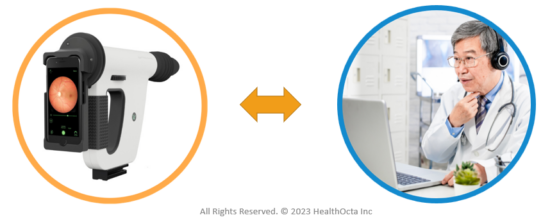
    CarePlus is a technology platform designed to embed preventative health screenings directly into the primary care office workflow. It integrates digital diagnostic devices and patient-friendly questionnaires, enabling medical assistants and PCP staff to perform screenings during routine visits. Data collected, ranging from questionnaire responses to imaging results, is securely transmitted to remote specialists for expert review. The platform further employs algorithmic risk stratification and longitudinal data analysis to support ongoing patient management and timely referrals.

    What Impact Does CarePlus Bring to Healthcare? Who Does It Help?

    CarePlus addresses critical gaps in current healthcare delivery by making preventative screenings more accessible, timely, and efficient. Its impact includes:

    • For Payers and Health Systems: Early identification and management of high-risk patients reduce downstream expenditures and support population health goals through data-driven insights.
    • For Patients: Earlier detection of chronic conditions reduces morbidity and prevents costly complications, improving quality of life. Screenings integrated into routine visits lower barriers such as time, cost, and access to specialists.
    • For Primary Care Providers (PCPs): CarePlus expands clinical capabilities, allowing PCPs to deliver more comprehensive care and receive reimbursement for new services, without significant workflow disruption.
    • For Specialists: Remote interpretation of screening data optimizes specialist time by focusing on clinically significant cases referred through the platform.

    CarePlus and Diabetic Retinopathy Screening: A Use Case

    Diabetic retinopathy (DR) affects over 38 million Americans with diabetes or prediabetes, yet many patients miss annual eye exams, leading to preventable vision loss. CarePlus addresses this by deploying a digital fundoscope within the PCP office, operated by trained staff during routine checkups.

    • Retinal images captured are securely transmitted to a network of remote ophthalmologists who grade the images based on standardized criteria.
    • Patients flagged as at-risk are referred promptly for specialist intervention.
    • Those without immediate risk are scheduled for re-evaluation during their next annual screening.
    • The platform can employ algorithmic analysis and longitudinal tracking to monitor changes over time, ensuring continuous patient surveillance and proactive care management.

    This approach effectively closes the gap between primary care and specialty ophthalmology, improving screening rates and enabling early intervention.

    Extending CarePlus to Other High-Impact Screening Areas

    The CarePlus model, integrating onsite screening tools, remote specialist review, and algorithmic patient monitoring is scalable and adaptable to multiple domains with large patient populations:

    • Mental Health: Questionnaires such as PHQ-9 and GAD-7 administered at the PCP office, with results evaluated remotely to identify depression and anxiety early.
    • Peripheral Artery Disease: ABI testing performed onsite with results digitally reviewed to prevent vascular complications.
    • Chronic Kidney Disease: Lab data integrated with algorithmic alerts for early nephrology referral.
    • Cognitive Impairment: Standardized cognitive assessments facilitating early dementia diagnosis.
    • Pulmonary Function: Simplified spirometry used to identify and monitor COPD and asthma.

    Each use case leverages the same principles of embedding screening into routine primary care visits, remote expert interpretation, and data-driven patient management, targeting conditions with significant public health burden.

    CarePlus is positioned to transform preventative care by operationalizing technology and clinical expertise where it matters most: the primary care office.

    Join Us in Shaping the Future of Preventative Health

    Are you a physician, healthcare operator, or subject matter expert with insight into diagnostics, primary care workflows, or health equity?
    HealthOcta is building an expert advisory group to help us define, refine, and expand our CarePlus offerings. Your experience can directly influence scalable solutions that improve outcomes for millions.

    To express interest, email us at [email protected]


  • Working smarter, not harder: how HealthOcta is taking a tech-led, people-first approach to healthcare

    Healthcare has a technology problem, but not in the way people think.

    There’s no shortage of apps, portals, or EMRs. What’s missing is technology that makes healthcare more human, not more complicated. At HealthOcta, we’ve been asking one question from the start: How can we reduce friction between patients, providers, and quality care?

    The answer isn’t more layers of software. It’s designing the right tools to serve real people, starting where care actually happens: at the point of need.

    That’s why we built VideoConsults, CarePlus, and eClinics—three platforms, one vision. Each tackles a broken part of healthcare and replaces it with something that just works.

    VideoConsults: real-time access to sub-speciality care, wherever you are

    VideoConsults gives emergency rooms, ACOs, assisted living facilities, and urgent care centers on-demand access to remote subspecialists. When a critical patient arrives and an expert’s input is needed fast, clinicians can instantly connect with a licensed specialist who can assess the case and guide next steps.

    This eliminates unnecessary patient transfers due to lack of in-house expertise. Hospitalists and ER physicians can act faster, with more confidence, knowing they have a world of expertise at their fingertips, right when it matters most.

    CarePlus: embedding preventative care inside the primary care office

    Most health conditions don’t go from fine to critical overnight. But the system rarely catches early warning signs because screenings either don’t happen or aren’t part of routine care.

    CarePlus is changing that. We built it to let primary care physicians offer specialist-grade screenings—right from their office. It started with diabetic retinopathy. Using smart imaging devices and cloud-based ophthalmology reviews, PCPs can now detect vision-threatening conditions during an annual checkup.

    And this is just the beginning. With the same model, CarePlus can support:

    • mental health screenings (PHQ-9, GAD-7),
    • pulmonary function tests,
    • cardiac risk stratification,
    • chronic kidney disease detection,
    • cognitive assessments for aging patients.
    • skin cancer screenings
    • and much more…

    The opportunity is huge, and we’re actively inviting specialists, clinical researchers, and diagnostic innovators to help expand what’s possible. Preventative care should be routine, not reactive. CarePlus helps make that true.

    eClinics: on-demand care, without the insurance maze

    For patients, one of the most frustrating parts of the system is the delay: long wait times, referrals, unclear costs, and insurance-based restrictions. For providers, it’s burnout—rising admin loads and loss of autonomy.

    eClinics gives both sides another option.

    It’s a platform where licensed medical professionals can offer direct-to-patient consultations—with transparent pricing, no referrals, and complete scheduling control. Patients use eClinics for second opinions, chronic condition guidance, general medical advice, or anything in between. Whether they’re insured or not, they can access expert care faster, more affordably, and with no guesswork.

    For doctors, eClinics is a way to practice medicine on their terms, free from rigid institutional constraints. It’s flexible, self-managed, and built for sustainability.

    The bigger picture: a healthcare system that actually works

    Together, these platforms form a new kind of healthcare stack, one that values access, prevention, speed, and dignity.

    • VideoConsults supports clinical decisions where specialty care isn’t always present.
    • CarePlus turns the PCP visit into a proactive screening event, not just a box to check.
    • eClinics puts patients back in control of their care journey, without bureaucracy in the way.

    These aren’t point solutions. They’re infrastructure for a future where patients don’t need to be sick to deserve care, and providers don’t need to burn out to make a difference.

    We’re building the tools we believe healthcare should have had all along.

    If you’re a clinician, technologist, or health system leader looking to help solve real-world problems, we’d love to hear from you. We’re constantly seeking knowledgeable advisors and guides to help us shape our vision and the future of healthcare.

    Because smart technology isn’t about replacing people. It’s about letting them do what they do best.

  • 20 Conditions that your Ophthalmologist could detect by an eye exam

    The contents of this post are copied directly from this article at the American Academy of Ophthalmology.

    Your eyes are windows to the live action of blood vessels, nerves and connective tissues throughout your body. Problems spotted in the eye are often the first signs of disease lurking elsewhere. Here are 20 surprising conditions your eye doctor may detect during a comprehensive eye exam:

    Aneurysm

    An aneurysm is a bubble in the wall of a blood vessel. This weak wall can leak or rupture. Signs of an aneurysm can include a severe, one-sided headache or loss of facial or body function. Aneurysms can be catastrophic and require immediate medical attention.

    Brain tumor

    Tumors can cause increased pressure in the brain that gets transmitted to the eye. Swelling near the back of the eyes causes changes to the optic nerve that an eye doctor can see. Loss of side vision, recent double vision or changes in the size of a pupil are other signs of a brain tumor.

    Cancers of blood, tissue or skin

    Numerous cancers can be found during a detailed eye exam. Skin cancers affect the eyelids and outer surfaces of the eye. The most common types of skin cancers are basal cell, squamous cell and melanoma. Leukemia and lymphoma can also affect the interior aspect of the eye. Tumors in the breast and other areas can spread to the ocular structures. 

    Diabetes

    Tiny blood vessels in the retina that leak yellow fluid or blood can be a sign of diabetic retinopathy. Sometimes, this disease appears in eye tissue even before a person has been diagnosed with diabetes. Early detection can help people avoid vision loss and other serious complications.

    Giant cell arteritis

    Giant cell arteritis (GCA) is a lingering inflammation of medium-sized arteries that affects the arms, upper body and neck. These same arteries help nourish the eyes, and inflammation can result in blurred vision, double vision, or even sudden vision loss in one or both eyes. A dilated eye exam and blood tests for this condition can allow for an early diagnosis of GCA. Medical treatment can prevent a lifetime of blindness or even early death.

    Heart disease

    Ophthalmologists may be able to detect early signs of heart disease in the eyes. When the retina is examined carefully using an imaging tool called optical coherence tomography, doctors may be able to detect microscopic marks left behind by an eye stroke. These marks can appear in the retinas of healthy people, but they’re found in higher numbers in people with heart disease. 

    High blood pressure

    Unusual bends, kinks or bleeding from blood vessels in the back of the eye can signal high blood pressure, which affects one in three American adults. High blood pressure is a known risk factor in the onset and/or progression of glaucoma, diabetic retinopathy, macular degeneration and other diseases. Your doctor may notice signs of high blood pressure during a dilated eye exam.

    High cholesterol

    A yellow or blue ring around the cornea may be a sign of high cholesterol, especially in a person younger than age 40. Deposits in the blood vessels of the retina can also indicate elevated cholesterol. This may be the precursor to a life-threatening stroke.

    Lupus

    This inflammatory disease can coincide with dry eyes. Lupus can also cause swelling in the white part of the eye, the middle layer of the eye or the light-sensitive tissue in the back of the eye.

    Lyme disease

    Lyme disease is an infection spread by ticks, which leads to inflammation throughout the body. Many people with Lyme disease experience inflammation of the optic nerve as well as an increase in floaters at the onset of infection.

    Medication toxicities

    Several drugs may be toxic to the retina and the optic nerve. Symptoms of toxicity include red, scaling eyelids, red eyes, scratchy corneas or conjunctivitis.

    Multiple sclerosis

    Inflammation of the optic nerve can be a harbinger of multiple sclerosis, a degenerative disease that affects the nervous system. Often, this inflammation goes hand-in-hand with severely blurred vision, painful eye movement or even double vision.

    Myasthenia gravis

    Myasthenia gravis is an ongoing autoimmune disorder that causes muscles to weaken and tire easily. The first symptoms of this condition often involve the eyes. The most common sign of the disease is drooping eyelids in one or both eyes. Other symptoms include double vision, weakness in the arms or legs, or life-threatening problems with breathing, talking, chewing or swallowing.

    Rheumatoid arthritis

    Ocular signs of rheumatoid arthritis (RA) most commonly include red eyes with deep, severe pain. This symptom can signal scleritis, a painful inflammation of the white part of the eye which requires medical therapy. Many people who have RA also suffer from dry eye. 

    Sarcoidosis

    This inflammatory disease affects multiple organs the body, including the eyes. The most common eye symptom of this disease is iritis, a recurring, painful inflammation of the iris or colored part of the eye. This condition also causes severe light sensitivity.

    Sexually transmitted diseases

    Syphilis, herpes, chlamydia, HIV, gonorrhea, genital warts and pubic lice can all affect layers of the eye. These serious conditions are often detected during an eye exam.

    Sickle cell disease

    People with sickle cell disease, a genetic blood disorder, develop stiff, comma-shaped red blood cells that can block the flow of blood throughout the body. This disease can cause a huge spectrum of ocular changes, from redness and burst blood vessels on the surface of the eye to severe hemorrhages and even retinal detachment inside the eye.

    Sjögren’s syndrome

    This autoimmune disease causes the body’s white blood cells to attack the glands that make tears and saliva. Unsurprisingly, dry eyes are a key feature of Sjögren’s syndrome. Other symptoms include burning or stinging in the eyes, blurry vision and dry mouth.

    Stroke

    Blood vessels of the retina sometimes contain blockages or clots. These blockages can cause sudden blind spots or give the sense of a “curtain” closing over a person’s vision. These can point to an increased risk for stroke. A loss of side vison may also be a warning of brain damage caused by a previous stroke.

    Thyroid disease

    Protruding eyeballs and retracting eyelids are telltale signs of hyperthyroidism, most commonly caused by Graves’ Disease. This happens when the thyroid gland produces too much or too little hormone. Sometimes this coincides with dry eye, blurry vision or vision loss.

    Vascular disease

    Clotting disorders and bleeding disorders may cause visible bleeding in and around the eye. These are known as subconjuctival hemorrhages. These disorders can also cause retinal hemorrhages that threaten vision. 

    Vitamin A deficiency

    Dry eyes and night blindness are both signs of Vitamin A deficiency. Without enough vitamin A, your eyes cannot produce enough moisture to keep them properly lubricated. Low levels of vitamin A also lead to night blindness, by preventing production of certain pigments needed for your retina to work properly. Vitamin A deficiency is the leading cause of preventable blindness in children worldwide.

    It’s important to remember that these symptoms don’t guarantee you have a certain health condition. Whenever an eye exam reveals a possible health problem, your ophthalmologist will recommend further testing by a specialist or your primary care provider.

    The American Academy of Ophthalmology recommends that all adults get a complete eye examination at age 40. This is when early signs of disease or changes in vision may first appear. If you have risk factors such as diabetes, high blood pressure or a family history of eye disease, don’t delay — schedule an eye exam at an earlier age.

  • Benefits of undilated eye exams for retinal eye screenings

    In the realm of preventive healthcare, early detection is often the key to successful intervention.

    This principle holds particularly true when it comes to preserving our precious sense of sight. Retinal complications, such as those arising from diabetes and other chronic disorders, can lead to preventable blindness if left undetected and untreated.

    Fortunately, advances in technology and medical practice have paved the way for more accessible and patient-friendly retinal screenings that can be conducted as part of your annual office visit to your Primary care provider.

    CarePlus by HealthOcta is one such innovation that utilizes undilated eye exams with best of breed, FDA approved non-mydriatic cameras, offering a host of benefits that make them a preferred choice for early detection of retinal disorders. A few of the key benefits are listed below

    Patient Comfort

    Undoubtedly, one of the most significant advantages of undilated eye exams is the enhanced comfort they provide to patients. Traditional dilated eye exams require the use of eye drops to dilate the pupils, resulting in temporary blurred vision, sensitivity to light, and difficulty focusing. These side effects can last for several hours, making it inconvenient for patients to resume their daily activities immediately after the examination. In contrast, undilated eye exams using non-mydriatic cameras do not necessitate pupil dilation, ensuring that patients experience no discomfort and can carry on with their life routines without interruption.

    Convenience and Accessibility

    Retinal screenings are vital for patients with diabetes and other chronic conditions, as they are at a higher risk of developing retinal complications. Undilated eye exams with non-mydriatic cameras are highly convenient and can be performed in primary care settings, eliminating the need for patients to visit specialized eye clinics or undergo extensive preparation. The increased accessibility through the CarePlus program encourages more individuals to undergo regular screenings, ultimately leading to earlier detection and intervention.

    Faster results

    Traditional dilated exams may take longer due to the time required for pupil dilation and subsequent examination. In contrast, undilated retinal screenings are swift and produce results almost immediately. This speed not only reduces patient anxiety but also facilitates timely diagnosis, increased coverage in general practice settings and enables timely eintervention, which can be critical in preventing vision loss.

    Most importanly, the use of non-mydriatic cameras allows for quicker and efficient imaging of the retina.

    Safer for Patients

    Undilated eye exams are also considered safer for patients, particularly those with certain medical conditions or allergies that may react adversely to the eye drops used in dilation. Additionally, undilated exams are suitable for patients of all ages, making them a more versatile and inclusive option for retinal screenings.

    Cost-Effective

    By eliminating the time, expertise and resources required for dilation, undilated retinal screenings with non-mydriatic cameras are a cost-effective alternative. The simplicity and cost-effectiveness of retinal imaging paired with HealthOcta’s technology to transmit and enhance the images for review by a qualified and licensed Ophthalmologist makes the CarePlus screening program a game-changer for healthcare systems. CarePlus enables healthcare providers to to allocate resources more efficiently and to provide screenings to a broader population.

    Increased Patient Compliance

    The discomfort associated with traditional dilated exams can deter some individuals from seeking regular screenings. Undilated eye exams remove this barrier and encourage greater patient compliance . When patients are more comfortable and experience minimal disruption to their daily lives, they are more likely to adhere to recommended annual screening schedules, ultimately improving their long-term eye health.

    In summary, Eye exams with non-mydriatic cameras used by the CarePlus program offer a significant advancement in retinal screenings. The program and technology prioritize patient comfort, convenience, rapid results, safety, and cost-effectiveness, making our workflows a crucial asset in preventing vision loss due to retinal issues. These screenings administered as part of the CarePlus program enhance accessibility and patient compliance, representing a clear choice in our mission to fuse technology & medicine to protect the precious gift of sight.

  • Remote diabetic eye screenings powered by HealthOcta

    Remote diabetic eye screenings powered by HealthOcta

    Diabetic retinopathy (DR) continues to be the leading cause of preventable blindness globally
    with a prevalence of 22.27% for any kind of DR, 6.17% for vision-threatening DR (VTDR), and 4.07% for diabetic macular edema (DME) among patients with diabetes. 

    We’ve been receiving a lot of inquiries from our healthcare provider partners to enable diabetic eye screenings for their patients using the Ophthalmology service line within our VideoConsults platform.

    Turns out that the HealthOcta technology platfrom and team are a great fit to help address this existing need and to put a curb on preventable blindness. Digital retinal imaging devices powered by HealthOcta’s technology platform and our panel of Ophthalmologists can enable primary care practices enable a higher standard of eye screenings for their diabetic patient population.

    Better care is about awareness and education

    Offering diabetic eye screenings as part of primary care services can improve patient engagement and satisfaction. Patients appreciate the convenience of receiving comprehensive care in one location, and they are more likely to follow through with recommended screenings when they are easily accessible.

    Regular eye screenings can serve as a reminder for patients to manage their diabetes effectively. When patients see the potential impact of diabetes on their eyes, they may be more motivated to control their blood sugar levels, adhere to medications, and adopt a healthier lifestyle.

    Eye diseases can exist even if you have no symptoms

    Annual eye exams are important for preventing and detecting diabetes-related eye complications. They can help identify problems that can prevent or delay vision loss if treated. Annual eye exams can help providers identify more diseases earlier in patients who might otherwise go untreated. Annual screening can help detect conditions before they exhibit symptoms.

    Diabetics are at a high risk of vision loss

    Diabetics are also at higher risk for cataracts and macular degeneration. Early detection and treatment of these conditions can preserve vision.

    Diabetic retinopathy (DR) occurs when the blood vessels inside the eye start to leak blood and fluid into the retina, causing damage and permanent vision loss. Early detection and treatment is crucial for preserving your eyesight.

    Diabetic macular edema (DME) is a complication of diabetic retinopathy, and occurs when the macula, the center of the retina, begins to swell. The macula is responsible for your central and color vision. When the macula swells, it damages the blood vessels, causing them to leak— resulting in vision loss.

    While patients with uncontrolled blood sugar levels have a higher risk of diabetic retinopathy, those with controlled diabetes are still at risk and need to be screened against that risk regularly.

    It is recommended that patients receive annual eye exams for early detection of the disease, and increased optimal treatment results. By regularly monitoring a diabetic patients eye health, you are ensuring that any changes that occur will be detected early, before they can cause any harm.

    Empowering Better Healthcare through Tech+Med

    Despite the benefits stated above, most patients with diabetes do not receive annual eye screening per recommended guidelines. By deploying nonmydriatic cameras like the ones supported by HealthOcta in primary care or laboratory settings, remote retinal imaging technologies can broaden eye-care access and reduce the long-term costs of quality care.

    If you are a primary care practitioner or a opthalmologist or feel passionate about this topic, we would love to hear from you.

    Some eye-opening statistics…

  • Video Consults for Endocrinology

    Its clear to all that we’re living a national shortage of healthcare providers – some have gone on to call it an Public Health crisis.

    The Association of American Medical Colleges (AAMC) estimates (March 2023) that the United States will face a shortage of up to 124,000 physicians by 2034. This shortage is expected to span both primary- and specialty-care fields. The shortage is projected to increase by 37,800 to 124,000 physicians within 12 years

    The shortage is driven by increasing demand for physician services, particularly population growth and aging. The workforce shortage has been increasing since before the COVID-19 pandemic and accelerated at an even more alarming rate thereafter.

    California, Florida, and Texas are the three states expected to have the greatest estimated physician shortage by 2030.

    More than 46 million Americans, or 15 percent of the U.S. population, live in rural areas

    Today, Rural areas make up nearly two-thirds of primary care health professional shortage areas (HPSAs) in the country. Rural residents are more likely to die from heart disease, cancer, unintentional injury, chronic lower respiratory disease, and stroke. About 20 percent of Americans live in rural areas, but barely one-tenth of physicians practice there.

    We created Video Consults to help address this coverage gap by fusing together technology with medical experts spanning a wide geography. We’ve created an Ophthalmology practice and are now on our way to focus on Endocrinology needs of the nation.

    Why Endocrinology?

    The number of endocrinologists who treat adults is not growing nearly fast enough to keep up with the surging demand driven by a growing and aging population compounded by the continuing obesity epidemic. There has been a shortage of practitioners in the field of Endocrinology for many years. The continuing obesity pandemic, growth in diabetes and other endocrine disorders has only made the situation worse.

    “The wait time for a new patient to be seen is much greater than in almost any other specialty in medicine by a factor of two.
    You can get in to see a cardiologist in 15 days, but it’ll take you 37 days to get in to see an endocrinologist,”

    Robert A. Vigersky, MD (cited from Endocrine news, Dec 2014)

    How does Video Consults help?

    • Our platform enables healthcare institutions to improve access and reach to specialty services
    • Enables the provider to request a specialty service on-demand. Greater reach to specialists.
    • Practitioner (specialist) gets ubiquitous reach without the need to travel away from their medical practice. Better quality of life for the practitioner.
    • Access to expert consultation is received quicker, faster and more economically.
    • Patients receive a higher level of care.

    Our Endocrinology service line is yet another way in which Video Consults continues to deliver on HealthOcta’s mission of fusing expertise in technology and medicine to help healthcare providers deliver a higher level of care to their patients.

    Get in touch. Join us & learn more.

    We’re growing our Endocrinology practice are keen to engage with physicians across the country. Sign up to be part of our network of healthcare providers and we’ll get in touch to bring you on board. You may also request our team to get in touch

    References
  • Introducing VideoConsults

    Introducing VideoConsults

    Healthocta’s vision is to fuse together medicine & technology so healthcare providers can deliver better healthcare.

    The US Healthcare system is awesome. Yes, it is! There are few challenges. However, we’re definitely among the better places on earth where you’d want to be receiving healthcare services.

    Some challenges in the US Healthcare industry

    (This is a summary of what we found when we spoke to a bunch of people and made a few searches online…)

    • Access and affordability: Despite having one of the highest per capita healthcare spending, the US still faces high costs of healthcare which is not affordable for a large part of the population.
    • Fragmented delivery system: The US healthcare system is fragmented with a complex network of different insurance providers, leading to higher costs and lower quality of care.
    • Inadequate primary care: There is a shortage of primary care providers in many areas of the country, leading to a higher reliance on more expensive emergency and specialty care services.
    • High administrative costs: The US healthcare system has high administrative costs, resulting in a higher overall cost of healthcare compared to other countries.
    • Lack of transparency: There is a lack of transparency in the healthcare system, making it difficult for patients to make informed decisions about their care and for employers to effectively manage the cost of their employee’s health insurance.
    • Health disparities: There are significant health disparities among different racial, ethnic, and socio-economic groups in the US, leading to unequal access to quality care and health outcomes.

    So what can be done about solving these challenges?

    If you boil it down, the primary theme of the issues is centered around high costs, lack of access to care in many areas of the country (think Rural) and lack of access to specialty care (in many places across the country)

    As a health technology company on a mission of TechMed fusion, we came up with a cool new innovative service. We call it VideoConsults by HealthOcta. With VideoConsults, we aim to help improve access to specialty services.

    What is VideoConsults by HealthOcta?

    VideoConsults is a technology enabled service by HealthOcta. This service is used by healthcare institutions such as Hospitals, Emergency Departments, Doctors offices, Freestanding ERs, Nursing facilities and other institutions to get access to and consult healthcare specialists without having to wait hours or days.

    We have created an innovative system that brings together the expertise of medical practitioners in a variety of specialty fields, sophisticated devices for diagnostic and imaging (that can be used by a medical assistant without having to undergo advanced training) and the ubiquitous reach of telemedicine technology to help solve the access and practitioner coverage issues omnipresent in the healthcare industry. What’s better than seeing a demo right here!

    The HealthOcta team is currently focusing on enabling better access in Ophthalmology. The Video Consults platform will soon be expanded to support a variety of specialty services. We’re keen to connect with healthcare providers & practitioners so we can learn from you and add capabilities more speciality service lines.

    Our teams are now actively bringing together specialists to offer their expertise on this platform. Please contact us to learn more.