Tag: kidney disease

  • Better care with CarePlus: Preventative Screenings in Primary Care

    What if the most important health conditions could be caught early, right at your doctor’s office, without needing multiple appointments, specialists, or delays?

    CarePlus by HealthOcta is a new kind of technology platform built to transform how and where preventative healthcare happens. By enabling diagnostic screenings at the point of primary care, CarePlus helps identify critical health risks earlier, improving outcomes for patients, reducing long-term costs for payers, and empowering providers with better tools.


    What Is CarePlus?

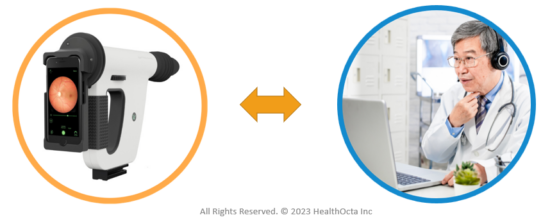
    CarePlus is a software-powered screening platform that equips primary care offices with the tools, training, and workflows to deliver preventative health screenings during routine checkups. Screenings are either automated through structured questionnaires or powered by onsite imaging devices whose results are reviewed remotely by specialists on the CarePlus network.

    Our goal is simple but powerful: Bring preventative care to the frontline of medicine, the Primary Care Provider (PCP).


    What Problems Does CarePlus Solve?

    Preventative screenings are underutilized, despite their proven impact. Why?

    • They often require referrals, separate appointments, or specialized clinics
    • Many practices lack equipment or trained staff
    • Follow-through is low: patients don’t always act on referrals
    • Insurers bear the cost of avoidable disease progression

    CarePlus solves this by:

    • Embedding screenings into routine PCP workflows
    • Providing devices and software directly to the clinic
    • Training staff to capture the data without specialist supervision
    • Enabling remote reviews by credentialed specialists
    • Supporting proper documentation and payer reimbursement

    Our First Solution: Diabetic Retinopathy Screening

    We’re launching CarePlus with a major public health challenge in mind: diabetic retinopathy, the leading cause of blindness in working-age adults.

    Why this matters:

    • Over 38 million Americans are diabetic or prediabetic
    • Eye exams are often skipped due to cost, time, logistics or simply the lack of proactive interest by a patient
    • Retinopathy is preventable if caught early

    How CarePlus Works:

    • A smart fundoscope is provided to PCP clinics
    • Medical assistants are trained to capture retinal images during the patient visit
    • Images are uploaded securely and read by licensed ophthalmologists in the CarePlus network
    • PCPs are notified of the results, and at-risk patients are referred
    • Payers reimburse both the screening and reading
    • Patients get better care, without extra effort or delays

    What’s Next: Expanding the Scope of Preventative Screening

    CarePlus is designed to be modular and extensible. Beyond retinopathy, we’re actively developing and validating new screening modules:

    In Development:

    • Mental Health Screenings
      Using evidence-based questionnaires (PHQ-9, GAD-7, PCL-5), patients can be screened during visits with automated scoring and referral guidance. This is especially valuable as depression and anxiety go undetected in over 50% of primary care encounters.
    • Peripheral Artery Disease (ABI Testing)
      Early detection can prevent major cardiovascular complications.
    • Chronic Kidney Disease Screening
      With early indicators flagged via simple urinalysis or eGFR integration.
    • Cognitive Impairment / Dementia Screening
      Tools for aging populations using structured assessments (e.g., MoCA).
    • Spirometry for COPD and Asthma Management
      Lung function testing, simplified for use by PCP staff and reviewed remotely.

    Our Vision

    Preventative care should be:

    • Accessible at the point of contact
    • Affordable through payer-aligned workflows
    • Actionable with structured follow-up
    • Scalable across practices and populations

    CarePlus brings all of that together, starting with real tools, in real clinics, solving real problems.


    📩 Want to partner with us or learn how CarePlus can support your clinic or health system?
    Reach out at [email protected] or visit www.healthocta.com/careplus

  • Introducing CarePlus: A Platform Transforming Preventative Screening in Primary Care

    What is CarePlus?

    CarePlus is a technology platform designed to embed preventative health screenings directly into the primary care office workflow. It integrates digital diagnostic devices and patient-friendly questionnaires, enabling medical assistants and PCP staff to perform screenings during routine visits. Data collected, ranging from questionnaire responses to imaging results, is securely transmitted to remote specialists for expert review. The platform further employs algorithmic risk stratification and longitudinal data analysis to support ongoing patient management and timely referrals.

    What Impact Does CarePlus Bring to Healthcare? Who Does It Help?

    CarePlus addresses critical gaps in current healthcare delivery by making preventative screenings more accessible, timely, and efficient. Its impact includes:

    • For Payers and Health Systems: Early identification and management of high-risk patients reduce downstream expenditures and support population health goals through data-driven insights.
    • For Patients: Earlier detection of chronic conditions reduces morbidity and prevents costly complications, improving quality of life. Screenings integrated into routine visits lower barriers such as time, cost, and access to specialists.
    • For Primary Care Providers (PCPs): CarePlus expands clinical capabilities, allowing PCPs to deliver more comprehensive care and receive reimbursement for new services, without significant workflow disruption.
    • For Specialists: Remote interpretation of screening data optimizes specialist time by focusing on clinically significant cases referred through the platform.

    CarePlus and Diabetic Retinopathy Screening: A Use Case

    Diabetic retinopathy (DR) affects over 38 million Americans with diabetes or prediabetes, yet many patients miss annual eye exams, leading to preventable vision loss. CarePlus addresses this by deploying a digital fundoscope within the PCP office, operated by trained staff during routine checkups.

    • Retinal images captured are securely transmitted to a network of remote ophthalmologists who grade the images based on standardized criteria.
    • Patients flagged as at-risk are referred promptly for specialist intervention.
    • Those without immediate risk are scheduled for re-evaluation during their next annual screening.
    • The platform can employ algorithmic analysis and longitudinal tracking to monitor changes over time, ensuring continuous patient surveillance and proactive care management.

    This approach effectively closes the gap between primary care and specialty ophthalmology, improving screening rates and enabling early intervention.

    Extending CarePlus to Other High-Impact Screening Areas

    The CarePlus model, integrating onsite screening tools, remote specialist review, and algorithmic patient monitoring is scalable and adaptable to multiple domains with large patient populations:

    • Mental Health: Questionnaires such as PHQ-9 and GAD-7 administered at the PCP office, with results evaluated remotely to identify depression and anxiety early.
    • Peripheral Artery Disease: ABI testing performed onsite with results digitally reviewed to prevent vascular complications.
    • Chronic Kidney Disease: Lab data integrated with algorithmic alerts for early nephrology referral.
    • Cognitive Impairment: Standardized cognitive assessments facilitating early dementia diagnosis.
    • Pulmonary Function: Simplified spirometry used to identify and monitor COPD and asthma.

    Each use case leverages the same principles of embedding screening into routine primary care visits, remote expert interpretation, and data-driven patient management, targeting conditions with significant public health burden.

    CarePlus is positioned to transform preventative care by operationalizing technology and clinical expertise where it matters most: the primary care office.

    Join Us in Shaping the Future of Preventative Health

    Are you a physician, healthcare operator, or subject matter expert with insight into diagnostics, primary care workflows, or health equity?
    HealthOcta is building an expert advisory group to help us define, refine, and expand our CarePlus offerings. Your experience can directly influence scalable solutions that improve outcomes for millions.

    To express interest, email us at [email protected]


  • Diabetes Doesn’t Knock, It Quietly Slips In. Why Education Is Our Best Defense.

    Diabetes Is a Silent Killer. Here’s Why Diabetes Education Saves Lives.

    Diabetes is one of the most widespread chronic diseases in the world. It affects over 500 million people globally and more than 38 million adults in the U.S., yet 1 in 5 people with diabetes are undiagnosed. Often called a “silent killer,” diabetes can progress quietly for years—damaging your organs without noticeable symptoms.

    By the time it’s discovered, serious complications may already be underway.

    That’s why diabetes awareness and education about diabetes are essential—not just for people who’ve already been diagnosed, but for anyone at risk.

    What Does Diabetes Do to the Body?

    Understanding how diabetes affects the body is the first step toward preventing long-term damage. Whether you have type 1 diabetes, type 2 diabetes, or prediabetes, the condition can harm multiple organ systems when left unmanaged.

    Key complications of diabetes include:

    • Diabetic Retinopathy: Leading cause of blindness in adults. Regular diabetic eye exams can catch this early.
    • Kidney Damage (Diabetic Nephropathy): Diabetes is the top cause of chronic kidney disease and end-stage renal failure.
    • Nerve Damage (Diabetic Neuropathy): Leads to pain, numbness, and serious risks like foot ulcers and amputations.
    • Cardiovascular Disease: People with diabetes are 2–4 times more likely to have heart attacks or strokes.
    • Oral Health Complications: Higher risk of gum disease and tooth loss.

    These complications develop slowly and silently, which is why so many people miss the early warning signs.

    Why Diabetes Education Is Important

    What is diabetes education and why is it important? It’s the foundation of diabetes self-management and plays a crucial role in helping people understand:

    • How blood sugar levels affect their health
    • The importance of diet, exercise, and stress management
    • How to use insulin, oral medications, and glucose monitors
    • The value of routine diabetes screenings like A1C tests, cholesterol panels, kidney function tests, and annual diabetic foot and eye exams

    For those with prediabetes, education is even more powerful. Studies show that structured diabetes prevention programs can reduce the risk of developing type 2 diabetes by up to 58%.

    Diabetes Educators across the world are educating patients via their eClinics run on HealthOcta technology to help patients learn how they can manage & lower their A1C through without medications, just with the simple power of being better informed

    Long-Term Diabetes Management Starts with Knowledge

    Living with diabetes doesn’t mean living with fear—it means living with knowledge. People who understand how to manage their condition are far more likely to avoid hospitalizations, preserve their vision, maintain kidney function, and reduce their risk of cardiovascular events.

    This is where Certified Diabetes Educators (CDEs) and primary care providers make a difference. Educating patients with personalized care plans, lifestyle strategies, and tech-enabled tools like continuous glucose monitors (CGMs) can empower them to take control of their health.

    A Message to Primary Care Providers

    If you’re a physician, nurse practitioner, diabetes educator or clinic manager, don’t wait for diabetes complications to emerge. Use every patient visit as a chance to:

    • Recommend annual diabetes screenings
    • Flag prediabetes risk factors
    • Encourage lifestyle changes that actually work
    • Offer or refer to diabetes education programs or nutrition counseling

    Diabetes management isn’t just about medication — it’s about early action, consistent follow-up, and patient education that sticks.

    We invite you to join the HealthCare Collaborative Network by HealthOcta,
    HealthOcta is a technology-driven healthcare company on a mission to fuse cutting-edge technology with medicine — empowering providers to deliver better care, drive efficiency, and improve patient outcomes.

    As part of this mission, we have created the Healthcare Collaborative Network (HCN) — a nationwide community of independent physicians, nurse practitioners, specialists, and nurses who want to do more with technology. HCN is your gateway to use our technology to launch and grow your own practice, earn more on your own terms, and access HealthOcta’s powerful suite of tools — from telemedicine, technology-enabled peripheral integrations, to hiring, scheduling, and even reputation management.

    Whether you’re looking to build independence, expand your reach, streamline how you work, or use technology in your existing independent practice to be more efficient or serve your patients better, HCN gives you the tech, the network, and the support to make it happen — while keeping you in full control of your career.

  • Working smarter, not harder: how HealthOcta is taking a tech-led, people-first approach to healthcare

    Healthcare has a technology problem, but not in the way people think.

    There’s no shortage of apps, portals, or EMRs. What’s missing is technology that makes healthcare more human, not more complicated. At HealthOcta, we’ve been asking one question from the start: How can we reduce friction between patients, providers, and quality care?

    The answer isn’t more layers of software. It’s designing the right tools to serve real people, starting where care actually happens: at the point of need.

    That’s why we built VideoConsults, CarePlus, and eClinics—three platforms, one vision. Each tackles a broken part of healthcare and replaces it with something that just works.

    VideoConsults: real-time access to sub-speciality care, wherever you are

    VideoConsults gives emergency rooms, ACOs, assisted living facilities, and urgent care centers on-demand access to remote subspecialists. When a critical patient arrives and an expert’s input is needed fast, clinicians can instantly connect with a licensed specialist who can assess the case and guide next steps.

    This eliminates unnecessary patient transfers due to lack of in-house expertise. Hospitalists and ER physicians can act faster, with more confidence, knowing they have a world of expertise at their fingertips, right when it matters most.

    CarePlus: embedding preventative care inside the primary care office

    Most health conditions don’t go from fine to critical overnight. But the system rarely catches early warning signs because screenings either don’t happen or aren’t part of routine care.

    CarePlus is changing that. We built it to let primary care physicians offer specialist-grade screenings—right from their office. It started with diabetic retinopathy. Using smart imaging devices and cloud-based ophthalmology reviews, PCPs can now detect vision-threatening conditions during an annual checkup.

    And this is just the beginning. With the same model, CarePlus can support:

    • mental health screenings (PHQ-9, GAD-7),
    • pulmonary function tests,
    • cardiac risk stratification,
    • chronic kidney disease detection,
    • cognitive assessments for aging patients.
    • skin cancer screenings
    • and much more…

    The opportunity is huge, and we’re actively inviting specialists, clinical researchers, and diagnostic innovators to help expand what’s possible. Preventative care should be routine, not reactive. CarePlus helps make that true.

    eClinics: on-demand care, without the insurance maze

    For patients, one of the most frustrating parts of the system is the delay: long wait times, referrals, unclear costs, and insurance-based restrictions. For providers, it’s burnout—rising admin loads and loss of autonomy.

    eClinics gives both sides another option.

    It’s a platform where licensed medical professionals can offer direct-to-patient consultations—with transparent pricing, no referrals, and complete scheduling control. Patients use eClinics for second opinions, chronic condition guidance, general medical advice, or anything in between. Whether they’re insured or not, they can access expert care faster, more affordably, and with no guesswork.

    For doctors, eClinics is a way to practice medicine on their terms, free from rigid institutional constraints. It’s flexible, self-managed, and built for sustainability.

    The bigger picture: a healthcare system that actually works

    Together, these platforms form a new kind of healthcare stack, one that values access, prevention, speed, and dignity.

    • VideoConsults supports clinical decisions where specialty care isn’t always present.
    • CarePlus turns the PCP visit into a proactive screening event, not just a box to check.
    • eClinics puts patients back in control of their care journey, without bureaucracy in the way.

    These aren’t point solutions. They’re infrastructure for a future where patients don’t need to be sick to deserve care, and providers don’t need to burn out to make a difference.

    We’re building the tools we believe healthcare should have had all along.

    If you’re a clinician, technologist, or health system leader looking to help solve real-world problems, we’d love to hear from you. We’re constantly seeking knowledgeable advisors and guides to help us shape our vision and the future of healthcare.

    Because smart technology isn’t about replacing people. It’s about letting them do what they do best.

  • Remote diabetic eye screenings powered by HealthOcta

    Remote diabetic eye screenings powered by HealthOcta

    Diabetic retinopathy (DR) continues to be the leading cause of preventable blindness globally
    with a prevalence of 22.27% for any kind of DR, 6.17% for vision-threatening DR (VTDR), and 4.07% for diabetic macular edema (DME) among patients with diabetes. 

    We’ve been receiving a lot of inquiries from our healthcare provider partners to enable diabetic eye screenings for their patients using the Ophthalmology service line within our VideoConsults platform.

    Turns out that the HealthOcta technology platfrom and team are a great fit to help address this existing need and to put a curb on preventable blindness. Digital retinal imaging devices powered by HealthOcta’s technology platform and our panel of Ophthalmologists can enable primary care practices enable a higher standard of eye screenings for their diabetic patient population.

    Better care is about awareness and education

    Offering diabetic eye screenings as part of primary care services can improve patient engagement and satisfaction. Patients appreciate the convenience of receiving comprehensive care in one location, and they are more likely to follow through with recommended screenings when they are easily accessible.

    Regular eye screenings can serve as a reminder for patients to manage their diabetes effectively. When patients see the potential impact of diabetes on their eyes, they may be more motivated to control their blood sugar levels, adhere to medications, and adopt a healthier lifestyle.

    Eye diseases can exist even if you have no symptoms

    Annual eye exams are important for preventing and detecting diabetes-related eye complications. They can help identify problems that can prevent or delay vision loss if treated. Annual eye exams can help providers identify more diseases earlier in patients who might otherwise go untreated. Annual screening can help detect conditions before they exhibit symptoms.

    Diabetics are at a high risk of vision loss

    Diabetics are also at higher risk for cataracts and macular degeneration. Early detection and treatment of these conditions can preserve vision.

    Diabetic retinopathy (DR) occurs when the blood vessels inside the eye start to leak blood and fluid into the retina, causing damage and permanent vision loss. Early detection and treatment is crucial for preserving your eyesight.

    Diabetic macular edema (DME) is a complication of diabetic retinopathy, and occurs when the macula, the center of the retina, begins to swell. The macula is responsible for your central and color vision. When the macula swells, it damages the blood vessels, causing them to leak— resulting in vision loss.

    While patients with uncontrolled blood sugar levels have a higher risk of diabetic retinopathy, those with controlled diabetes are still at risk and need to be screened against that risk regularly.

    It is recommended that patients receive annual eye exams for early detection of the disease, and increased optimal treatment results. By regularly monitoring a diabetic patients eye health, you are ensuring that any changes that occur will be detected early, before they can cause any harm.

    Empowering Better Healthcare through Tech+Med

    Despite the benefits stated above, most patients with diabetes do not receive annual eye screening per recommended guidelines. By deploying nonmydriatic cameras like the ones supported by HealthOcta in primary care or laboratory settings, remote retinal imaging technologies can broaden eye-care access and reduce the long-term costs of quality care.

    If you are a primary care practitioner or a opthalmologist or feel passionate about this topic, we would love to hear from you.

    Some eye-opening statistics…