Diabetes Is a Silent Killer. Here’s Why Diabetes Education Saves Lives.
Diabetes is one of the most widespread chronic diseases in the world. It affects over 500 million people globally and more than 38 million adults in the U.S., yet 1 in 5 people with diabetes are undiagnosed. Often called a “silent killer,” diabetes can progress quietly for years—damaging your organs without noticeable symptoms.
By the time it’s discovered, serious complications may already be underway.
That’s why diabetes awareness and education about diabetes are essential—not just for people who’ve already been diagnosed, but for anyone at risk.
What Does Diabetes Do to the Body?
Understanding how diabetes affects the body is the first step toward preventing long-term damage. Whether you have type 1 diabetes, type 2 diabetes, or prediabetes, the condition can harm multiple organ systems when left unmanaged.
Key complications of diabetes include:
- Diabetic Retinopathy: Leading cause of blindness in adults. Regular diabetic eye exams can catch this early.
- Kidney Damage (Diabetic Nephropathy): Diabetes is the top cause of chronic kidney disease and end-stage renal failure.
- Nerve Damage (Diabetic Neuropathy): Leads to pain, numbness, and serious risks like foot ulcers and amputations.
- Cardiovascular Disease: People with diabetes are 2–4 times more likely to have heart attacks or strokes.
- Oral Health Complications: Higher risk of gum disease and tooth loss.
These complications develop slowly and silently, which is why so many people miss the early warning signs.
Why Diabetes Education Is Important
What is diabetes education and why is it important? It’s the foundation of diabetes self-management and plays a crucial role in helping people understand:
- How blood sugar levels affect their health
- The importance of diet, exercise, and stress management
- How to use insulin, oral medications, and glucose monitors
- The value of routine diabetes screenings like A1C tests, cholesterol panels, kidney function tests, and annual diabetic foot and eye exams
For those with prediabetes, education is even more powerful. Studies show that structured diabetes prevention programs can reduce the risk of developing type 2 diabetes by up to 58%.
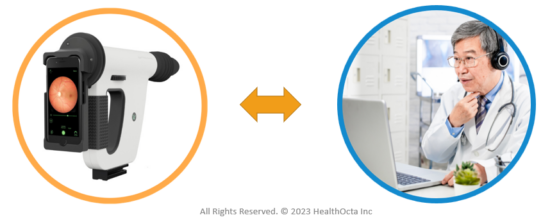
Diabetes Educators across the world are educating patients via their eClinics run on HealthOcta technology to help patients learn how they can manage & lower their A1C through without medications, just with the simple power of being better informed
Long-Term Diabetes Management Starts with Knowledge
Living with diabetes doesn’t mean living with fear—it means living with knowledge. People who understand how to manage their condition are far more likely to avoid hospitalizations, preserve their vision, maintain kidney function, and reduce their risk of cardiovascular events.
This is where Certified Diabetes Educators (CDEs) and primary care providers make a difference. Educating patients with personalized care plans, lifestyle strategies, and tech-enabled tools like continuous glucose monitors (CGMs) can empower them to take control of their health.
A Message to Primary Care Providers
If you’re a physician, nurse practitioner, diabetes educator or clinic manager, don’t wait for diabetes complications to emerge. Use every patient visit as a chance to:
- Recommend annual diabetes screenings
- Flag prediabetes risk factors
- Encourage lifestyle changes that actually work
- Offer or refer to diabetes education programs or nutrition counseling
Diabetes management isn’t just about medication — it’s about early action, consistent follow-up, and patient education that sticks.
We invite you to join the HealthCare Collaborative Network by HealthOcta,
HealthOcta is a technology-driven healthcare company on a mission to fuse cutting-edge technology with medicine — empowering providers to deliver better care, drive efficiency, and improve patient outcomes.
As part of this mission, we have created the Healthcare Collaborative Network (HCN) — a nationwide community of independent physicians, nurse practitioners, specialists, and nurses who want to do more with technology. HCN is your gateway to use our technology to launch and grow your own practice, earn more on your own terms, and access HealthOcta’s powerful suite of tools — from telemedicine, technology-enabled peripheral integrations, to hiring, scheduling, and even reputation management.
Whether you’re looking to build independence, expand your reach, streamline how you work, or use technology in your existing independent practice to be more efficient or serve your patients better, HCN gives you the tech, the network, and the support to make it happen — while keeping you in full control of your career.