Category: Video Consults

  • Beyond Video: How VideoConsults Protects Your License and Drives ROI

    This blog post is inspired by a recent conversation with a healthcare institution who was seeking to understand the benefits of VideoConsults. They asked us one of the most common quesitons that comes to mind for many

    “Why should I use VideoConsults when I can log into the remote hospital’s EMR, read the chart, and get on a video / phone call with the ER? Why do I need another platform?”

    Logging into a remote EMR and making a video call is not telemedicine. It is an unrecorded, unstructured liability trap that wastes time and destroys efficiency. VideoConsults is not a video app; it is a clinical and operational fabric designed to align incentives, lower risk of malpractice exposure, and help you drive immediate ROI.

    We turned to a Chief Medical Officer to seek their perspective.

    “As a Chief Medical Officer, the most critical lens I look through is where our clinical operations are exposed to unmanaged risk and inefficiency. When you ask why we shouldn’t just rely on an EMR login and a video link, you are fundamentally asking if the friction and liability of an unstructured workflow are worth avoiding the cost of a dedicated platform.

    They are not. A remote EMR login combined with a phone call is a brittle, high-liability trap that destroys operational velocity and removes our margin of safety. Here is why a platform like VideoConsults is the mandatory infrastructure for scaling safe, and profitable specialty care.”

    Eradicating “Hurry Up and Wait” Through Structured Workflow

    Calling for a rapid specialist consult using a phone or basic video often creates a catastrophic “hurry-up-and-wait” scenario. An ER doctor calls for a stat neurology or ophthalmology consult, only for the specialist to log in and realize the required neuro-imaging, fundus photos, or specific labs are missing. This kicks off a cycle of phone tag, chart hunting, and delayed care that paralyzes ER throughput.

    Through VideoConsults, an organization dictates the workflow by embedding clinical best practices directly into the daily routine. It enforces specialty-specific, customized structured intakes at the point of care. A consult is not routed to the specialist until the exact, necessary clinical data is captured and packaged. By standardizing the intake process, we remove the guesswork for stretched ER staff, drastically reduce the chaos, and eliminate the waiting game. Over time, this operational muscle systemically lowers risk and drives compounding efficiency gains.

    Moving from Verbal Fiction to Diagnostic Reality

    We cannot manage what we cannot measure, and a phone call provides zero objective data. Relying entirely on an ER provider’s verbal description of an acute eye injury, a complex psychiatric presentation, or a subtle ECG change is a catastrophic clinical blind spot. It forces you to make high-stakes, “treat vs. transfer” decisions based on hearsay rather than hard evidence.

    VideoConsults integrates directly with edge diagnostic devices—fundus cameras, slit-lamps, 12-lead ECGs—and transmits that clinical-grade data to the specialist. A phone or video call is always an available option for further dialogue. This shift from subjective opinion to objective, data-backed clinical decision-making is the only way to safely reduce unnecessary patient transfers and protect the hospital’s downstream admissions revenue. For the specialist, the incentive alignment is perfect: you log in, review a complete data packet, make a safe decision, bill, and move on.

    The Liability Gap and Medico-Legal Protection

    From a legal standpoint, the EMR/phone call workflow creates liability vulnerabilities. If you advise an ER to treat a patient locally and an adverse outcome occurs, plaintiff attorneys will immediately attack the unrecorded void between what the ER provider noted and what you actually said via that phone call.

    VideoConsults functions as a compliance fabric, generating a structured, time-stamped, immutable audit log. It links the raw diagnostic data, the standardized intake templates, and the precise specialist recommendations into a unified system of record. This helps mitigate the hospital risk of malpractice exposure, shields your in-house staff, and provides the necessary legal protection to attract high-quality contracted specialists.

    In Summary:

    The Hidden Costs of EMR + Phone/video call. The unrecorded void between the specialist’s remote note and the ER’s actions can become a massive medico-legal target. Making high-stakes transfer decisions without live edge diagnostics is guessing. Guessing leads to defensive medicine, over-escalation, unnecessary transport costs and lost downstream revenue. Specialists (human behavior) will abandon workflows that force them to do administrative data-hunting. Telemedicine fails when it ignores the operational friction at the point of care.

    Disclaimer: This article is for informational purposes only and does not constitute legal or medical advice. Healthcare institutions should consult their own legal counsel and clinical governance teams regarding compliance and standards of care.
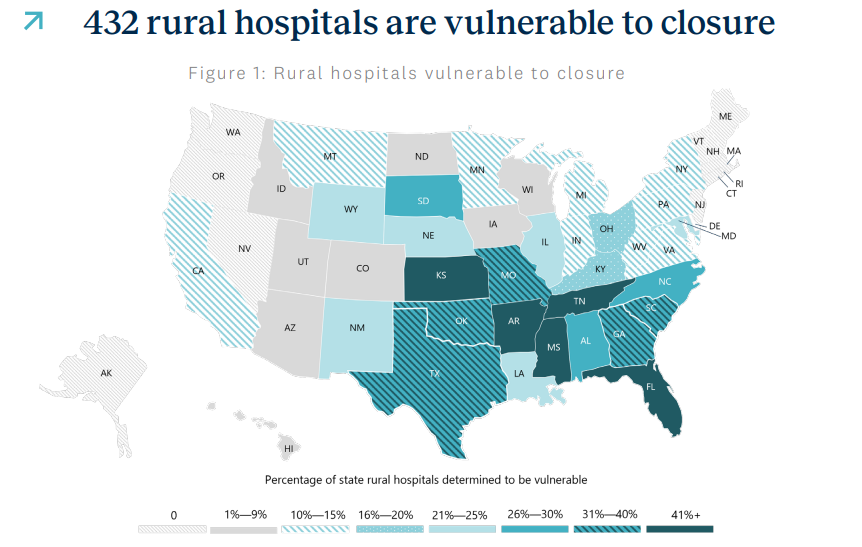
  • Over 400 rural hospitals are at a risk of closure

    source: Chartis 2025 “Rural Health state of the state”

    Why is that?

    • Smaller, aging populations mean lower patient volumes.
    • Heavy reliance on Medicare and Medicaid leads to thinner margins.
    • Workforce shortages drive up costs and limit service lines.
    • Closures of OB, oncology, and other departments reduce both access and revenue.

    The result: communities lose local care options, and hospitals struggle to remain anchors of health.

    At HealthOcta, we’re building VideoConsults to help rural hospitals retain patients, expand specialty coverage, and strengthen their long-term sustainability. We believe technology should reduce the pressure, not add to it.

    How VideoConsults helps here?

    Problem: Low patient volumes + service line closures make it hard to justify onsite specialists.
    VideoConsults helps by: Allowing rural hospitals to access specialists on-demand (cardiology, ID, endocrinology, etc.) without the fixed cost of hiring full-time staff. Patients can be kept local rather than transferred out.

    Problem: High transfer rates = lost revenue + fragmented care.
    VideoConsults helps by: Giving ERs and inpatient units a direct specialist connection. Many cases that would have been transferred can now be managed locally, keeping both revenue and trust in the community hospital.

    Problem: Workforce shortages, recruitment difficulty, and burnout.
    VideoConsults helps by: Extending the reach of the limited staff they do have. A single hospitalist can lean on specialty support, reducing decision fatigue and improving confidence in care.

    Problem: Financial pressure from payer mix and sustainability issues.
    VideoConsults helps by: Creating a flexible, scalable specialty access model that grows (or shrinks) with patient volume, no sunk cost in trying to sustain a low-volume service line.

    Problem: Community trust erodes when services vanish.
    VideoConsults helps by: Preserving access to advanced care close to home, reinforcing the hospital’s role as the anchor of the community.

    What makes VideoConsults unique in how we approach the solution…

    Unlike outsourced telehealth services, VideoConsults is not a replacement for your team, it’s an infrastructure layer that hospitals license and control. We’re a specialty access fabric that brings to you integrated devices, structured intake and telehealth tools. Add to it your own specialists or specialists you contract with. We even have a directory of specialists we could refer to you.

    • Clinical control stays local: Hospital leadership decides which specialists to connect, whether it’s their own employed physicians or contracted partners.
    • Flexible staffing: Rural hospitals can choose to partner with regional hubs, independent specialists, or IDNs, and swap or add partners without changing the platform.
    • Technology + compliance backbone: We bring structured intake, EMR-lite documentation, device integration, and even offer back-office support, but the hospital leads care delivery.

    Sustainable model: This puts community hospitals in the driver’s seat, they decide where to invest scarce resources while still ensuring specialty coverage.

    Too often, “tech solutions” create new problems – more workflows, more costs. For rural hospitals already stretched thin, that’s not sustainable. We built VideoConsults with a different principle: technology should lighten the load. By simplifying specialty access, reducing transfers, and fitting seamlessly into existing operations, our platform helps hospitals strengthen care without adding complexity or taking control away from leadership. In addition, VideoConsults is designed to be flexible for every budget. Tap to see more about the VideoConsults platform or talk to us about it.

  • Diabetes Doesn’t Knock, It Quietly Slips In. Why Education Is Our Best Defense.

    Diabetes Is a Silent Killer. Here’s Why Diabetes Education Saves Lives.

    Diabetes is one of the most widespread chronic diseases in the world. It affects over 500 million people globally and more than 38 million adults in the U.S., yet 1 in 5 people with diabetes are undiagnosed. Often called a “silent killer,” diabetes can progress quietly for years—damaging your organs without noticeable symptoms.

    By the time it’s discovered, serious complications may already be underway.

    That’s why diabetes awareness and education about diabetes are essential—not just for people who’ve already been diagnosed, but for anyone at risk.

    What Does Diabetes Do to the Body?

    Understanding how diabetes affects the body is the first step toward preventing long-term damage. Whether you have type 1 diabetes, type 2 diabetes, or prediabetes, the condition can harm multiple organ systems when left unmanaged.

    Key complications of diabetes include:

    • Diabetic Retinopathy: Leading cause of blindness in adults. Regular diabetic eye exams can catch this early.
    • Kidney Damage (Diabetic Nephropathy): Diabetes is the top cause of chronic kidney disease and end-stage renal failure.
    • Nerve Damage (Diabetic Neuropathy): Leads to pain, numbness, and serious risks like foot ulcers and amputations.
    • Cardiovascular Disease: People with diabetes are 2–4 times more likely to have heart attacks or strokes.
    • Oral Health Complications: Higher risk of gum disease and tooth loss.

    These complications develop slowly and silently, which is why so many people miss the early warning signs.

    Why Diabetes Education Is Important

    What is diabetes education and why is it important? It’s the foundation of diabetes self-management and plays a crucial role in helping people understand:

    • How blood sugar levels affect their health
    • The importance of diet, exercise, and stress management
    • How to use insulin, oral medications, and glucose monitors
    • The value of routine diabetes screenings like A1C tests, cholesterol panels, kidney function tests, and annual diabetic foot and eye exams

    For those with prediabetes, education is even more powerful. Studies show that structured diabetes prevention programs can reduce the risk of developing type 2 diabetes by up to 58%.

    Diabetes Educators across the world are educating patients via their eClinics run on HealthOcta technology to help patients learn how they can manage & lower their A1C through without medications, just with the simple power of being better informed

    Long-Term Diabetes Management Starts with Knowledge

    Living with diabetes doesn’t mean living with fear—it means living with knowledge. People who understand how to manage their condition are far more likely to avoid hospitalizations, preserve their vision, maintain kidney function, and reduce their risk of cardiovascular events.

    This is where Certified Diabetes Educators (CDEs) and primary care providers make a difference. Educating patients with personalized care plans, lifestyle strategies, and tech-enabled tools like continuous glucose monitors (CGMs) can empower them to take control of their health.

    A Message to Primary Care Providers

    If you’re a physician, nurse practitioner, diabetes educator or clinic manager, don’t wait for diabetes complications to emerge. Use every patient visit as a chance to:

    • Recommend annual diabetes screenings
    • Flag prediabetes risk factors
    • Encourage lifestyle changes that actually work
    • Offer or refer to diabetes education programs or nutrition counseling

    Diabetes management isn’t just about medication — it’s about early action, consistent follow-up, and patient education that sticks.

    We invite you to join the HealthCare Collaborative Network by HealthOcta,
    HealthOcta is a technology-driven healthcare company on a mission to fuse cutting-edge technology with medicine — empowering providers to deliver better care, drive efficiency, and improve patient outcomes.

    As part of this mission, we have created the Healthcare Collaborative Network (HCN) — a nationwide community of independent physicians, nurse practitioners, specialists, and nurses who want to do more with technology. HCN is your gateway to use our technology to launch and grow your own practice, earn more on your own terms, and access HealthOcta’s powerful suite of tools — from telemedicine, technology-enabled peripheral integrations, to hiring, scheduling, and even reputation management.

    Whether you’re looking to build independence, expand your reach, streamline how you work, or use technology in your existing independent practice to be more efficient or serve your patients better, HCN gives you the tech, the network, and the support to make it happen — while keeping you in full control of your career.

  • Working smarter, not harder: how HealthOcta is taking a tech-led, people-first approach to healthcare

    Healthcare has a technology problem, but not in the way people think.

    There’s no shortage of apps, portals, or EMRs. What’s missing is technology that makes healthcare more human, not more complicated. At HealthOcta, we’ve been asking one question from the start: How can we reduce friction between patients, providers, and quality care?

    The answer isn’t more layers of software. It’s designing the right tools to serve real people, starting where care actually happens: at the point of need.

    That’s why we built VideoConsults, CarePlus, and eClinics—three platforms, one vision. Each tackles a broken part of healthcare and replaces it with something that just works.

    VideoConsults: real-time access to sub-speciality care, wherever you are

    VideoConsults gives emergency rooms, ACOs, assisted living facilities, and urgent care centers on-demand access to remote subspecialists. When a critical patient arrives and an expert’s input is needed fast, clinicians can instantly connect with a licensed specialist who can assess the case and guide next steps.

    This eliminates unnecessary patient transfers due to lack of in-house expertise. Hospitalists and ER physicians can act faster, with more confidence, knowing they have a world of expertise at their fingertips, right when it matters most.

    CarePlus: embedding preventative care inside the primary care office

    Most health conditions don’t go from fine to critical overnight. But the system rarely catches early warning signs because screenings either don’t happen or aren’t part of routine care.

    CarePlus is changing that. We built it to let primary care physicians offer specialist-grade screenings—right from their office. It started with diabetic retinopathy. Using smart imaging devices and cloud-based ophthalmology reviews, PCPs can now detect vision-threatening conditions during an annual checkup.

    And this is just the beginning. With the same model, CarePlus can support:

    • mental health screenings (PHQ-9, GAD-7),
    • pulmonary function tests,
    • cardiac risk stratification,
    • chronic kidney disease detection,
    • cognitive assessments for aging patients.
    • skin cancer screenings
    • and much more…

    The opportunity is huge, and we’re actively inviting specialists, clinical researchers, and diagnostic innovators to help expand what’s possible. Preventative care should be routine, not reactive. CarePlus helps make that true.

    eClinics: on-demand care, without the insurance maze

    For patients, one of the most frustrating parts of the system is the delay: long wait times, referrals, unclear costs, and insurance-based restrictions. For providers, it’s burnout—rising admin loads and loss of autonomy.

    eClinics gives both sides another option.

    It’s a platform where licensed medical professionals can offer direct-to-patient consultations—with transparent pricing, no referrals, and complete scheduling control. Patients use eClinics for second opinions, chronic condition guidance, general medical advice, or anything in between. Whether they’re insured or not, they can access expert care faster, more affordably, and with no guesswork.

    For doctors, eClinics is a way to practice medicine on their terms, free from rigid institutional constraints. It’s flexible, self-managed, and built for sustainability.

    The bigger picture: a healthcare system that actually works

    Together, these platforms form a new kind of healthcare stack, one that values access, prevention, speed, and dignity.

    • VideoConsults supports clinical decisions where specialty care isn’t always present.
    • CarePlus turns the PCP visit into a proactive screening event, not just a box to check.
    • eClinics puts patients back in control of their care journey, without bureaucracy in the way.

    These aren’t point solutions. They’re infrastructure for a future where patients don’t need to be sick to deserve care, and providers don’t need to burn out to make a difference.

    We’re building the tools we believe healthcare should have had all along.

    If you’re a clinician, technologist, or health system leader looking to help solve real-world problems, we’d love to hear from you. We’re constantly seeking knowledgeable advisors and guides to help us shape our vision and the future of healthcare.

    Because smart technology isn’t about replacing people. It’s about letting them do what they do best.

  • Remote diabetic eye screenings powered by HealthOcta

    Remote diabetic eye screenings powered by HealthOcta

    Diabetic retinopathy (DR) continues to be the leading cause of preventable blindness globally
    with a prevalence of 22.27% for any kind of DR, 6.17% for vision-threatening DR (VTDR), and 4.07% for diabetic macular edema (DME) among patients with diabetes. 

    We’ve been receiving a lot of inquiries from our healthcare provider partners to enable diabetic eye screenings for their patients using the Ophthalmology service line within our VideoConsults platform.

    Turns out that the HealthOcta technology platfrom and team are a great fit to help address this existing need and to put a curb on preventable blindness. Digital retinal imaging devices powered by HealthOcta’s technology platform and our panel of Ophthalmologists can enable primary care practices enable a higher standard of eye screenings for their diabetic patient population.

    Better care is about awareness and education

    Offering diabetic eye screenings as part of primary care services can improve patient engagement and satisfaction. Patients appreciate the convenience of receiving comprehensive care in one location, and they are more likely to follow through with recommended screenings when they are easily accessible.

    Regular eye screenings can serve as a reminder for patients to manage their diabetes effectively. When patients see the potential impact of diabetes on their eyes, they may be more motivated to control their blood sugar levels, adhere to medications, and adopt a healthier lifestyle.

    Eye diseases can exist even if you have no symptoms

    Annual eye exams are important for preventing and detecting diabetes-related eye complications. They can help identify problems that can prevent or delay vision loss if treated. Annual eye exams can help providers identify more diseases earlier in patients who might otherwise go untreated. Annual screening can help detect conditions before they exhibit symptoms.

    Diabetics are at a high risk of vision loss

    Diabetics are also at higher risk for cataracts and macular degeneration. Early detection and treatment of these conditions can preserve vision.

    Diabetic retinopathy (DR) occurs when the blood vessels inside the eye start to leak blood and fluid into the retina, causing damage and permanent vision loss. Early detection and treatment is crucial for preserving your eyesight.

    Diabetic macular edema (DME) is a complication of diabetic retinopathy, and occurs when the macula, the center of the retina, begins to swell. The macula is responsible for your central and color vision. When the macula swells, it damages the blood vessels, causing them to leak— resulting in vision loss.

    While patients with uncontrolled blood sugar levels have a higher risk of diabetic retinopathy, those with controlled diabetes are still at risk and need to be screened against that risk regularly.

    It is recommended that patients receive annual eye exams for early detection of the disease, and increased optimal treatment results. By regularly monitoring a diabetic patients eye health, you are ensuring that any changes that occur will be detected early, before they can cause any harm.

    Empowering Better Healthcare through Tech+Med

    Despite the benefits stated above, most patients with diabetes do not receive annual eye screening per recommended guidelines. By deploying nonmydriatic cameras like the ones supported by HealthOcta in primary care or laboratory settings, remote retinal imaging technologies can broaden eye-care access and reduce the long-term costs of quality care.

    If you are a primary care practitioner or a opthalmologist or feel passionate about this topic, we would love to hear from you.

    Some eye-opening statistics…

  • Video Consults for Endocrinology

    Its clear to all that we’re living a national shortage of healthcare providers – some have gone on to call it an Public Health crisis.

    The Association of American Medical Colleges (AAMC) estimates (March 2023) that the United States will face a shortage of up to 124,000 physicians by 2034. This shortage is expected to span both primary- and specialty-care fields. The shortage is projected to increase by 37,800 to 124,000 physicians within 12 years

    The shortage is driven by increasing demand for physician services, particularly population growth and aging. The workforce shortage has been increasing since before the COVID-19 pandemic and accelerated at an even more alarming rate thereafter.

    California, Florida, and Texas are the three states expected to have the greatest estimated physician shortage by 2030.

    More than 46 million Americans, or 15 percent of the U.S. population, live in rural areas

    Today, Rural areas make up nearly two-thirds of primary care health professional shortage areas (HPSAs) in the country. Rural residents are more likely to die from heart disease, cancer, unintentional injury, chronic lower respiratory disease, and stroke. About 20 percent of Americans live in rural areas, but barely one-tenth of physicians practice there.

    We created Video Consults to help address this coverage gap by fusing together technology with medical experts spanning a wide geography. We’ve created an Ophthalmology practice and are now on our way to focus on Endocrinology needs of the nation.

    Why Endocrinology?

    The number of endocrinologists who treat adults is not growing nearly fast enough to keep up with the surging demand driven by a growing and aging population compounded by the continuing obesity epidemic. There has been a shortage of practitioners in the field of Endocrinology for many years. The continuing obesity pandemic, growth in diabetes and other endocrine disorders has only made the situation worse.

    “The wait time for a new patient to be seen is much greater than in almost any other specialty in medicine by a factor of two.
    You can get in to see a cardiologist in 15 days, but it’ll take you 37 days to get in to see an endocrinologist,”

    Robert A. Vigersky, MD (cited from Endocrine news, Dec 2014)

    How does Video Consults help?

    • Our platform enables healthcare institutions to improve access and reach to specialty services
    • Enables the provider to request a specialty service on-demand. Greater reach to specialists.
    • Practitioner (specialist) gets ubiquitous reach without the need to travel away from their medical practice. Better quality of life for the practitioner.
    • Access to expert consultation is received quicker, faster and more economically.
    • Patients receive a higher level of care.

    Our Endocrinology service line is yet another way in which Video Consults continues to deliver on HealthOcta’s mission of fusing expertise in technology and medicine to help healthcare providers deliver a higher level of care to their patients.

    Get in touch. Join us & learn more.

    We’re growing our Endocrinology practice are keen to engage with physicians across the country. Sign up to be part of our network of healthcare providers and we’ll get in touch to bring you on board. You may also request our team to get in touch

    References
  • Introducing VideoConsults

    Introducing VideoConsults

    Healthocta’s vision is to fuse together medicine & technology so healthcare providers can deliver better healthcare.

    The US Healthcare system is awesome. Yes, it is! There are few challenges. However, we’re definitely among the better places on earth where you’d want to be receiving healthcare services.

    Some challenges in the US Healthcare industry

    (This is a summary of what we found when we spoke to a bunch of people and made a few searches online…)

    • Access and affordability: Despite having one of the highest per capita healthcare spending, the US still faces high costs of healthcare which is not affordable for a large part of the population.
    • Fragmented delivery system: The US healthcare system is fragmented with a complex network of different insurance providers, leading to higher costs and lower quality of care.
    • Inadequate primary care: There is a shortage of primary care providers in many areas of the country, leading to a higher reliance on more expensive emergency and specialty care services.
    • High administrative costs: The US healthcare system has high administrative costs, resulting in a higher overall cost of healthcare compared to other countries.
    • Lack of transparency: There is a lack of transparency in the healthcare system, making it difficult for patients to make informed decisions about their care and for employers to effectively manage the cost of their employee’s health insurance.
    • Health disparities: There are significant health disparities among different racial, ethnic, and socio-economic groups in the US, leading to unequal access to quality care and health outcomes.

    So what can be done about solving these challenges?

    If you boil it down, the primary theme of the issues is centered around high costs, lack of access to care in many areas of the country (think Rural) and lack of access to specialty care (in many places across the country)

    As a health technology company on a mission of TechMed fusion, we came up with a cool new innovative service. We call it VideoConsults by HealthOcta. With VideoConsults, we aim to help improve access to specialty services.

    What is VideoConsults by HealthOcta?

    VideoConsults is a technology enabled service by HealthOcta. This service is used by healthcare institutions such as Hospitals, Emergency Departments, Doctors offices, Freestanding ERs, Nursing facilities and other institutions to get access to and consult healthcare specialists without having to wait hours or days.

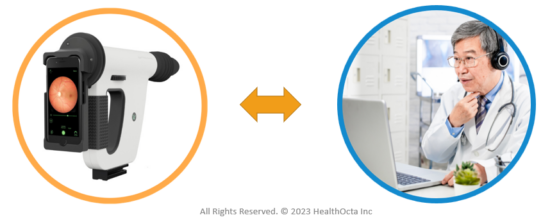
    We have created an innovative system that brings together the expertise of medical practitioners in a variety of specialty fields, sophisticated devices for diagnostic and imaging (that can be used by a medical assistant without having to undergo advanced training) and the ubiquitous reach of telemedicine technology to help solve the access and practitioner coverage issues omnipresent in the healthcare industry. What’s better than seeing a demo right here!

    The HealthOcta team is currently focusing on enabling better access in Ophthalmology. The Video Consults platform will soon be expanded to support a variety of specialty services. We’re keen to connect with healthcare providers & practitioners so we can learn from you and add capabilities more speciality service lines.

    Our teams are now actively bringing together specialists to offer their expertise on this platform. Please contact us to learn more.