Author: devon

  • Japan’s Unique Approach to Vitamin B12 and Its Link to Lower Mental Decline

    Introduction

    Japan is widely recognized for its high life expectancy and comparatively lower incidences of age-related cognitive decline and dementia. Among many factors contributing to this phenomenon, Japan’s distinctive approach to vitamin B12 status evaluation and management stands out as a significant element. Vitamin B12 plays a critical role in neurological health, and Japan’s higher threshold for what constitutes adequate B12 levels may contribute to more proactive prevention of mental decline.


    Vitamin B12 and Brain Health

    Vitamin B12 (cobalamin) is essential for the synthesis of myelin, neurotransmitters, and DNA. Deficiency in this vitamin can result in neuropathy, cognitive impairment, memory loss, and mood disorders. Clinical studies worldwide link low vitamin B12 status to an increased risk of neurodegenerative diseases including Alzheimer’s and vascular dementia.frontiersin+1


    Japan’s Elevated Reference Cutoffs for Vitamin B12

    Unlike many Western countries where vitamin B12 deficiency is defined as serum levels below 200 pg/mL (148 pmol/L), Japan uses a notably higher cutoff, often around 500 pg/mL (369 pmol/L) for defining deficiency or suboptimal status.clancymedicalgroup+1

    This markedly higher threshold signifies a preventive and more cautious approach, aiming to detect and treat subclinical B12 deficiency before neurological damage occurs. In Japan:

    • Vitamin B12 levels below 500 pg/mL are often investigated or treated, especially in older adults or those showing neurological symptoms.
    • This standard deviates from US, UK, and European guidelines, which typically define deficiency at below 200 pg/mL.wikidoc+1

    Impact on Cognitive Health and Dementia Rates

    Japan’s higher cutoff is hypothesized to contribute to the country’s lower rates of dementia and cognitive decline. Epidemiological data show:

    • Japan demonstrates one of the lowest dementia prevalence rates among developed nations despite its rapidly aging population.clancymedicalgroup
    • Earlier diagnosis and management of B12 insufficiency may prevent the progression of cognitive frailty.
    • The proactive treatment of subclinical deficiencies may protect against neurodegeneration and psychiatric symptoms associated with low B12.indianchiropractic+1

    Supporting Evidence

    Scientific studies indicate that maintaining serum B12 above approximately 350–400 pg/mL (258–295 pmol/L) is associated with better cognitive function and reduced brain atrophy in elderly populations. Japan’s formal healthcare guidelines reflect these findings, promoting intervention at higher B12 thresholds compared to Western protocols.pubmed.ncbi.nlm.nih+2

    Additionally, clinical research from Japanese institutions emphasizes diagnostic methods such as the 13C-propionate breath test for accurate, early detection of B12 deficiency, further supporting timely intervention.pmc.ncbi.nlm.nih


    Broader Context of Japan’s Nutritional Approach

    Japan’s overall nutritional strategy, which includes diets rich in fish, seaweed, and fermented foods alongside heightened attention to micronutrient sufficiency, also plays a role. Along with B12, adequate intake of other neuroprotective nutrients contributes to lower risk for cognitive impairment.clancymedicalgroup


    Conclusion

    Japan’s distinctive approach to vitamin B12—characterized by higher diagnostic thresholds and early intervention—likely contributes to the country’s comparatively lower incidence of age-related mental decline. This proactive strategy exemplifies how refined nutritional biomarker standards can impact public health positively. Other nations could consider revisiting their B12 reference ranges and management strategies to reduce neurological disease burden globally.


    References

    This article underscores the link between Japan’s elevated vitamin B12 standards and its encouraging neurological health outcomes in older adults.

  • The Right Level of Vitamin B12 and Its Role in Energy and Brain Health

    Vitamin B12 is a crucial water-soluble vitamin essential for energy metabolism and the maintenance of neurological function. Deficiency can have profound impacts on physical and cognitive health. This post reviews scientific evidence regarding the optimal levels of vitamin B12 for energy and brain health, discusses consequences of deficiency, and compares clinical cutoffs and guidelines across geographic regions.

    Introduction

    Vitamin B12 (cobalamin) is an essential nutrient involved in DNA synthesis, red blood cell formation, and neurological function. Inadequate B12 levels can cause anemia, neuropathy, mood disorders, and cognitive decline. The definition of deficiency and sufficiency varies across medical organizations and countries, but growing evidence continues to refine our understanding of optimal B12 status for health and longevity.mountsinai+1


    Reference Levels for Vitamin B12

    A range of laboratory cutoffs exist for defining deficiency, borderline, and sufficiency. These levels may be expressed in picograms per milliliter (pg/mL) or picomoles per liter (pmol/L):

    CategoryUnited States & Europe (pg/mL)pmol/LSources
    Deficient<200<148webmd+2
    Borderline200-300148-221yalemedicine+1
    Normal/Sufficient>300–950221–701mountsinai+2
    • Some clinical labs consider levels between 160-950 pg/mL (118–701 pmol/L) as “normal,” with the lower end of >250 pg/mL often cited as preferable for optimal health, particularly in older adults.betteryou+1
    • Testing should be interpreted alongside clinical symptoms and additional biomarkers (like methylmalonic acid).mountsinai

    International Comparison of Deficiency Markers

    Thresholds and population prevalence of B12 deficiency differ worldwide, in part due to dietary patterns and genetic factors. Here are the normal and deficient vitamin B12 cutoffs according to major laboratory standards and international references:

    United States and Most Major Labs

    Statuspg/mLpmol/LReference
    Deficient<160–200<118–148[Mount Sinai]mountsinai, [NIH]ods.nih
    Borderline200–300148–221[NIH]ods.nih
    Normal>300–950221–701[Mount Sinai]mountsinai
    Upper limit950701[Mount Sinai]mountsinai
    • Some labs identify deficiency as <148 pmol/L (200 pg/mL).ods.nih
    • Values between 150 to 399 pg/mL (111 to 294 pmol/L) may require further analysis (e.g., methylmalonic acid test).ods.nih

    Europe

    • Most European countries use similar cutoffs: Deficiency is <150 pmol/L; borderline/low is 150–220 pmol/L; normal is >220 pmol/L.ods.nih

    United Kingdom

    • Deficiency: <150 pmol/L (<200 pg/mL).
    • Borderline: 150–200 pmol/L (200–270 pg/mL).
    • Normal: >200 pmol/L (>270 pg/mL).ods.nih

    Canada and Australia

    • Most labs and guidelines use deficiency as <148 pmol/L (200 pg/mL), borderline up to 222 pmol/L, normal above 222 pmol/L.ods.nih

    Summary Table

    Country/RegionDeficiency (pmol/L)Borderline (pmol/L)Normal (pmol/L)Deficiency (pg/mL)
    US/Europe/Canada<148–150150–220>220<200
    UK<150150–200>200<200
    Australia/NZ<148148–221>221<200

    Notes

    • Laboratories may use slightly different cutoffs; always interpret levels along with symptoms and possibly additional tests like methylmalonic acid.mountsinai+1
    • Upper “normal” limits can go as high as 701 pmol/L (950 pg/mL) but are rarely clinically significant unless symptoms or risk factors are present.mountsinai+1

    References:
    Mount Sinai Health Library (“Vitamin B12 level”)mountsinai
    NIH Office of Dietary Supplements (“Vitamin B12 Fact Sheet for Health Professionals”)ods.nih

    Japan stands out though!!

    Japan uses notably higher reference cutoffs for vitamin B12 than the US and Europe. Japanese clinical and research guidelines often consider levels below 500 pg/mL (about 369 pmol/L) as deficient or suboptimal, which is substantially higher than cutoffs used in many Western countries. This higher threshold is based on evidence linking low-normal B12 to neurological and cognitive symptoms, and some researchers credit Japan’s higher standard for contributing to lower rates of dementia and cognitive decline in the Japanese population.clancymedicalgroup+5

    Japanese Vitamin B12 Cutoffs

    Statuspg/mLpmol/LRemarks
    Deficient/Suboptimal<500<369Treatment recommended for levels below this, especially with symptoms or other markers (MMA, homocysteine)clancymedicalgroup+3.
    Normal500–1300369–959Considered optimal and protective for neurological healthreddit+3.
    • The World Health Organization also recognizes a similar standard, setting the lower limit of normal at 480 pg/mL.nyheadache
    • In practice, some Japanese clinical guidelines recommend investigating symptoms or treating at any value below 500–550 pg/mL, notably higher than the US or UK standards, which typically use <200 pg/mL (~148 pmol/L) as deficient.atlanticspineclinic+3

    This difference in standards is believed by some researchers to contribute to Japan’s lower rates of neurological and psychiatric manifestations associated with deficiency, such as cognitive decline and dementia.indianchiropractic+2

    1. https://www.clancymedicalgroup.com/vitamin-b12/
    2. https://foodforthebrain.org/cog-nition/b12-are-you-getting-enough/
    3. https://indianchiropractic.com/vitamin-b12-does-it-really-matter-for-the-body/
    4. https://www.nyheadache.com/blog/vitamin-b12-normal-blood-levels-are-often-not-normal/
    5. https://www.wikidoc.org/index.php/Vitamin_B12_deficiency_laboratory_findings
    6. https://agsjournals.onlinelibrary.wiley.com/doi/10.1111/j.1532-5415.1996.tb01389.x
    7. https://www.reddit.com/r/nutrition/comments/zqgwy3/what_is_the_japanese_b12_reference_range/
    8. https://www.atlanticspineclinic.com/chiropractic-blog/187/Vitamin+B12
    9. https://pmc.ncbi.nlm.nih.gov/articles/PMC10177006/
    10. https://www.sciencedirect.com/science/article/pii/S0022316622000876
    11. https://en.wikipedia.org/wiki/Vitamin_B12
    12. https://www.southcarolinablues.com/web/public/brands/medicalpolicy/external-policies/vitamin-b12-and-methylmalonic-acid-testing/
    13. https://x.com/nob12deficiency/status/1643905174988296193?lang=en
    14. https://pubmed.ncbi.nlm.nih.gov/39948611/
    15. https://pmc.ncbi.nlm.nih.gov/articles/PMC12413733/
    16. https://www.tandfonline.com/doi/full/10.1080/10408363.2021.1885339
    17. https://www.mthfrsupport.com.au/2015/03/vitamin-b12-reference-range-level-set-low/

    Vitamin B12: Daily Intake and At-Risk Groups

    • Recommended daily intake for adults: 2.4 mcg, increased for pregnancy and breastfeeding.ods.nih+2
    • Absorption declines with age, so elderly individuals often require higher intake or supplementation.mayoclinic+1
    • Strict vegetarians, individuals with gastrointestinal disorders, and those with pernicious anemia are at high risk for deficiency.mountsinai

    Vitamin B12 and Energy Metabolism

    Vitamin B12 acts as a coenzyme in the metabolism of fatty acids and amino acids, fundamental to the citric acid (Krebs) cycle, which generates ATP (the body’s energy currency). Deficiency impairs this process, often resulting in fatigue and weakness.aafp+1


    Vitamin B12 and Brain Health

    • B12 is critical for myelin synthesis, neurotransmitter production, and normal nervous system function.frontiersin+1
    • Deficiency is linked to neuropsychiatric symptoms, cognitive decline, and even increased risk for dementia and Alzheimer’s disease.frontiersin
    • Recent meta-analyses find B12 supplementation does not enhance cognition or mood in patients without clinical deficiency, but low B12 is associated with cognitive decline and brain atrophy in older adults.pubmed.ncbi.nlm.nih+2
    • For individuals deficient in B12, supplementation can improve neurological outcomes.sciencedirect+1

    Conclusion

    Maintaining sufficient vitamin B12 status (above 250–300 pg/mL or 221 pmol/L) is essential for energy and particularly neurological health, especially in the elderly and high-risk groups. Regions with predominately plant-based diets or limited intake of animal-derived foods show a much higher prevalence of deficiency. Regular screening and individualized supplementation are advisable for at-risk populations.


    References

    1. Mount Sinai Health Library. Vitamin B12 level Information.mountsinai
    2. NIH Office of Dietary Supplements. Vitamin B12 Fact Sheet for Health Professionals.ods.nih+1
    3. Yale Medicine. Are You Getting Enough Vitamin B12?.yalemedicine
    4. WebMD. Vitamin B12 Blood Test: Uses, Normal Range, and Results.webmd
    5. BetterYou. Normal vitamin B12 levels by age.betteryou
    6. Markun S, et al. Effects of Vitamin B12 Supplementation on Cognitive Function… Nutrients. 2021;13(3):923.pmc.ncbi.nlm.nih+1
    7. Wikipedia. Vitamin B12 deficiency.wikipedia
    8. Mayo Clinic. Vitamin B-12, Drugs & Supplements.mayoclinic
    9. Frontiers in Nutrition. Cognitive frailty in relation to vitamin B12… (2024).frontiersin
    10. ScienceDirect. Vitamin B12 deficiency and cognitive impairment.sciencedirect
    11. Medical News Today. Vitamin B12 level test: Uses, normal ranges, and results.medicalnewstoday
    12. Cleveland Clinic. Vitamin B12 Deficiency: Symptoms, Causes & Treatment.clevelandclinic
    13. Vitamin B12 Status of Various Ethnic Groups Living in New Zealand. PMC5852757.pmc.ncbi.nlm.nih
    14. American Family Physician. Vitamin B12 Deficiency: Recognition and Management.aafp

  • The CentoViva Project: What is it?

    I’ve always been a curious person at heart. I’m a techie, always tinkering, always curious. I’ve always carried a deep sense of curiosity about ‘good health’. With a family history full of cardiovascular disease, diabetes, and other chronic conditions, I’ve always felt the need to be watchful. I don’t just want to add years to my life, I want those years to be full of – strength, movement clarity – essentially full of life.

    Like most of us today, I don’t get enough sunlight. I know exercise and movement are the foundation of staying young, but I also began to wonder: what else can I do to give my body the best chance at repairing itself, thriving, and deferring the effects of aging?

    That curiosity sparked endless questions:

    • What’s the right level of Vitamin B12, and why does it matter for energy and brain health?
    • How much Vitamin D3 do I really need, and what does the science say about its role in immunity, mood, and longevity?
    • Which supplements are truly backed by research, and which ones are just hype? I’m all about sticking with the basics
    • How do I know if a supplement is safe to take, even if it doesn’t help, can I be sure it won’t do me harm?
    • And beyond supplements: how can I improve sleep, support cellular repair, and align my lifestyle with the latest science?

    I realized that what I was really searching for was clarity. Not vague advice. Not marketing promises. Not the next fad diet, fad supplement or superfood. But structured, science-backed answers I could trust, explained simply, and applied safely to everyday life.

    That’s what the CentoViva Project is about.

    CentoViva is a living guide to the big questions we all have about health: why a certain nutrient matters, how it works in the body, how much is optimal, and what the research really says about safety and effectiveness. It’s not about chasing miracles. It’s about building confidence, knowing that every choice you make is informed, supported by science, and aligned with your goal of living not just longer, but stronger.

    This is where my personal journey meets yours. Welcome to CentoViva – a 100 years of LIFE. A quest for answers to “Living longer, stronger”

    Disclaimer Notice:

    The information and opinions shared on CentoViva are for general informational purposes only. We are not medical professionals, and nothing you read or see here should be considered medical advice, diagnosis, or treatment.

    While we strive to share accurate and up-to-date information based on scientific research that we read or discover, any use of this content is strictly at your own risk.

    Before making any changes to your health routine or starting new supplements, it is essential to do your own research and consult with a qualified healthcare provider who understands your personal medical history and needs. Never disregard or delay seeking professional medical advice because of something you read on this site.

    By visiting our platform, using CentoViva’s content, you acknowledge and agree that we are not responsible for any health outcomes that may result from your decisions. Your health is your responsibility, please handle it cautiously and thoughtfully.

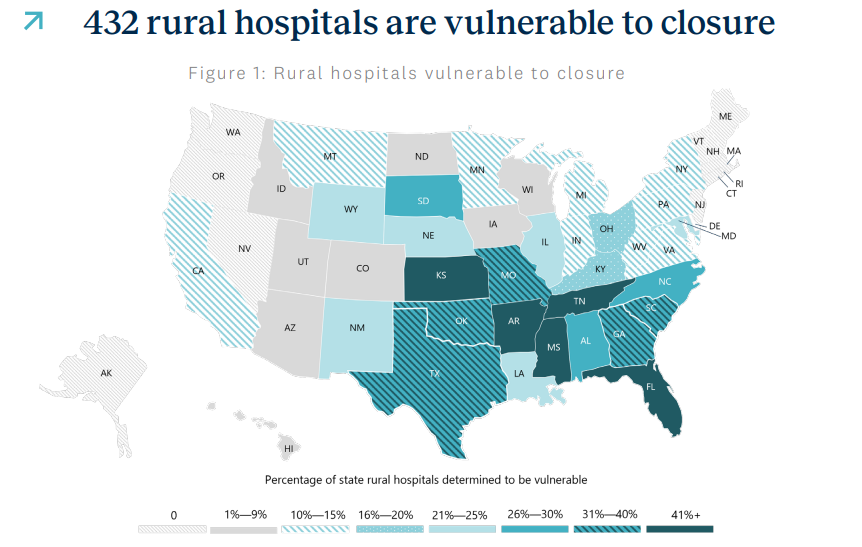
  • Over 400 rural hospitals are at a risk of closure

    source: Chartis 2025 “Rural Health state of the state”

    Why is that?

    • Smaller, aging populations mean lower patient volumes.
    • Heavy reliance on Medicare and Medicaid leads to thinner margins.
    • Workforce shortages drive up costs and limit service lines.
    • Closures of OB, oncology, and other departments reduce both access and revenue.

    The result: communities lose local care options, and hospitals struggle to remain anchors of health.

    At HealthOcta, we’re building VideoConsults to help rural hospitals retain patients, expand specialty coverage, and strengthen their long-term sustainability. We believe technology should reduce the pressure, not add to it.

    How VideoConsults helps here?

    Problem: Low patient volumes + service line closures make it hard to justify onsite specialists.
    VideoConsults helps by: Allowing rural hospitals to access specialists on-demand (cardiology, ID, endocrinology, etc.) without the fixed cost of hiring full-time staff. Patients can be kept local rather than transferred out.

    Problem: High transfer rates = lost revenue + fragmented care.
    VideoConsults helps by: Giving ERs and inpatient units a direct specialist connection. Many cases that would have been transferred can now be managed locally, keeping both revenue and trust in the community hospital.

    Problem: Workforce shortages, recruitment difficulty, and burnout.
    VideoConsults helps by: Extending the reach of the limited staff they do have. A single hospitalist can lean on specialty support, reducing decision fatigue and improving confidence in care.

    Problem: Financial pressure from payer mix and sustainability issues.
    VideoConsults helps by: Creating a flexible, scalable specialty access model that grows (or shrinks) with patient volume, no sunk cost in trying to sustain a low-volume service line.

    Problem: Community trust erodes when services vanish.
    VideoConsults helps by: Preserving access to advanced care close to home, reinforcing the hospital’s role as the anchor of the community.

    What makes VideoConsults unique in how we approach the solution…

    Unlike outsourced telehealth services, VideoConsults is not a replacement for your team, it’s an infrastructure layer that hospitals license and control. We’re a specialty access fabric that brings to you integrated devices, structured intake and telehealth tools. Add to it your own specialists or specialists you contract with. We even have a directory of specialists we could refer to you.

    • Clinical control stays local: Hospital leadership decides which specialists to connect, whether it’s their own employed physicians or contracted partners.
    • Flexible staffing: Rural hospitals can choose to partner with regional hubs, independent specialists, or IDNs, and swap or add partners without changing the platform.
    • Technology + compliance backbone: We bring structured intake, EMR-lite documentation, device integration, and even offer back-office support, but the hospital leads care delivery.

    Sustainable model: This puts community hospitals in the driver’s seat, they decide where to invest scarce resources while still ensuring specialty coverage.

    Too often, “tech solutions” create new problems – more workflows, more costs. For rural hospitals already stretched thin, that’s not sustainable. We built VideoConsults with a different principle: technology should lighten the load. By simplifying specialty access, reducing transfers, and fitting seamlessly into existing operations, our platform helps hospitals strengthen care without adding complexity or taking control away from leadership. In addition, VideoConsults is designed to be flexible for every budget. Tap to see more about the VideoConsults platform or talk to us about it.

  • CentoViva: Lessons from the Blue Zones for a Longer, Stronger Life

    Around the world, there are regions where people regularly live past 90, often into their 100s. These “Blue Zones” including Okinawa in Japan, Sardinia in Italy, Ikaria in Greece, and Nicoya in Costa Rica, offer a blueprint for extraordinary longevity. Despite differences in culture, language, and geography, certain habits consistently emerge.

    CentoViva Living takes inspiration from these principles, offering a framework to live longer and stronger through lifestyle choices grounded in science.


    1. Eat Plants First, with Purpose

    Blue Zone diets are overwhelmingly plant-centric. Vegetables, legumes, beans, whole grains, and nuts form the foundation. Meat, fish, and dairy are occasional, not mainstays.

    Why it matters: A plant-rich diet provides fiber, antioxidants, and essential nutrients that protect bones, muscles, and the cardiovascular system. Across the life arc, these foods support growth in children, maintain strength in adults, and preserve resilience in elders.

    Actionable habit: Center meals around seasonal vegetables and legumes. Let protein-rich foods play a supporting role.


    2. Practice Moderation

    Communities like Okinawa follow “Hara Hachi Bu” – stopping eating when 80% full.

    In Sardinia, portions are small but nutrient-dense.

    Why it matters: Moderation helps maintain healthy weight, supports metabolic balance, and protects the endocrine system, particularly in midlife and beyond.

    Actionable habit: Eat slowly, pause mid-meal, and listen to your body’s fullness signals.


    3. Favor Seasonal, Local Foods

    Blue Zone diets are local and seasonal. Fermented foods like kimchi, yogurt, or pickled vegetables enhance digestion and immunity. Children’s needs vary by climate and latitude; local, seasonal foods naturally fill nutritional gaps.

    Why it matters: Seasonal eating maximizes nutrient density and supports the digestive system, helping the body adapt to different stages of life.

    Actionable habit: Eat with the seasons, include fermented foods, and prioritize variety over perfection.


    4. Move Naturally and Consistently

    Exercise is woven into daily life: walking, gardening, carrying loads, or manual work. Structured gyms are unnecessary; movement is a natural rhythm.

    Why it matters: Skeletal, muscular, and cardiovascular systems thrive with regular, moderate activity. Across life, movement preserves strength, balance, and mobility.

    Actionable habit: Incorporate walking, stretching, or physical chores into daily routines. Think of movement as part of living, not a separate task.


    5. Build Community and Connection

    Blue Zone residents maintain strong social bonds. Meals are shared, families support elders, and neighbors stay connected.

    Why it matters: Social ties reduce stress, support hormonal balance, and protect cognitive health. Connection is critical for mental and physical resilience at every life stage.

    Actionable habit: Eat together, nurture friendships, and stay active in your community.


    6. Live with Purpose

    A clear sense of purpose guides daily routines in Blue Zones. People rise with intention, stay engaged in meaningful work, and contribute to family or society well into old age.

    Why it matters: Purpose boosts mental health, resilience, and adherence to healthy routines, reinforcing strength and vitality.

    Actionable habit: Identify your “why” and let it inform daily choices, from diet and movement to rest and hobbies.


    7. Manage Stress Naturally

    Daily rituals, meditation, prayer, short naps, or mindful walks, are common. Stress is balanced naturally.

    Why it matters: Chronic stress accelerates aging, weakens immunity, and strains the cardiovascular system.

    Actionable habit: Include brief, restorative practices each day: deep breathing, walking, journaling, or mindful pauses.


    CentoViva Living: Across the Arc of Life

    These principles are not one-size-fits-all. The CentoViva approach recognizes the life arc:

    • Children: Plant-forward diets, movement through play, and connection to family shape healthy bones, immunity, and growth.
    • Adults: Purposeful routines, moderated diet, and natural movement preserve strength, fertility, and cognition.
    • Midlife: Seasonal nutrition, stress management, and community sustain heart, bone, and endocrine health.
    • Elders: Light, frequent activity, nutrient-dense meals, social engagement, and purposeful living maintain independence, clarity, and resilience.

    Across cultures and decades, the lesson is consistent: longevity is built on daily habits, community, purpose, and nutrition. CentoViva Living emphasizes that living longer is not just about years, it’s about quality, strength, and resilience at every stage of life.

  • Better care with CarePlus: Preventative Screenings in Primary Care

    What if the most important health conditions could be caught early, right at your doctor’s office, without needing multiple appointments, specialists, or delays?

    CarePlus by HealthOcta is a new kind of technology platform built to transform how and where preventative healthcare happens. By enabling diagnostic screenings at the point of primary care, CarePlus helps identify critical health risks earlier, improving outcomes for patients, reducing long-term costs for payers, and empowering providers with better tools.


    What Is CarePlus?

    CarePlus is a software-powered screening platform that equips primary care offices with the tools, training, and workflows to deliver preventative health screenings during routine checkups. Screenings are either automated through structured questionnaires or powered by onsite imaging devices whose results are reviewed remotely by specialists on the CarePlus network.

    Our goal is simple but powerful: Bring preventative care to the frontline of medicine, the Primary Care Provider (PCP).


    What Problems Does CarePlus Solve?

    Preventative screenings are underutilized, despite their proven impact. Why?

    • They often require referrals, separate appointments, or specialized clinics
    • Many practices lack equipment or trained staff
    • Follow-through is low: patients don’t always act on referrals
    • Insurers bear the cost of avoidable disease progression

    CarePlus solves this by:

    • Embedding screenings into routine PCP workflows
    • Providing devices and software directly to the clinic
    • Training staff to capture the data without specialist supervision
    • Enabling remote reviews by credentialed specialists
    • Supporting proper documentation and payer reimbursement

    Our First Solution: Diabetic Retinopathy Screening

    We’re launching CarePlus with a major public health challenge in mind: diabetic retinopathy, the leading cause of blindness in working-age adults.

    Why this matters:

    • Over 38 million Americans are diabetic or prediabetic
    • Eye exams are often skipped due to cost, time, logistics or simply the lack of proactive interest by a patient
    • Retinopathy is preventable if caught early

    How CarePlus Works:

    • A smart fundoscope is provided to PCP clinics
    • Medical assistants are trained to capture retinal images during the patient visit
    • Images are uploaded securely and read by licensed ophthalmologists in the CarePlus network
    • PCPs are notified of the results, and at-risk patients are referred
    • Payers reimburse both the screening and reading
    • Patients get better care, without extra effort or delays

    What’s Next: Expanding the Scope of Preventative Screening

    CarePlus is designed to be modular and extensible. Beyond retinopathy, we’re actively developing and validating new screening modules:

    In Development:

    • Mental Health Screenings
      Using evidence-based questionnaires (PHQ-9, GAD-7, PCL-5), patients can be screened during visits with automated scoring and referral guidance. This is especially valuable as depression and anxiety go undetected in over 50% of primary care encounters.
    • Peripheral Artery Disease (ABI Testing)
      Early detection can prevent major cardiovascular complications.
    • Chronic Kidney Disease Screening
      With early indicators flagged via simple urinalysis or eGFR integration.
    • Cognitive Impairment / Dementia Screening
      Tools for aging populations using structured assessments (e.g., MoCA).
    • Spirometry for COPD and Asthma Management
      Lung function testing, simplified for use by PCP staff and reviewed remotely.

    Our Vision

    Preventative care should be:

    • Accessible at the point of contact
    • Affordable through payer-aligned workflows
    • Actionable with structured follow-up
    • Scalable across practices and populations

    CarePlus brings all of that together, starting with real tools, in real clinics, solving real problems.


    📩 Want to partner with us or learn how CarePlus can support your clinic or health system?
    Reach out at [email protected] or visit www.healthocta.com/careplus


  • Mental Health Screenings with CarePlus

    Bringing Proactive Mental Health Detection into Primary Care


    📊 The Need Is Urgent and Growing

    More than 1 in 5 U.S. adults experience mental illness each year, yet over 50% go undiagnosed or untreated. Conditions like depression, anxiety, stress, and PTSD can severely impact quality of life and physical health when left unaddressed. Delays in diagnosis often result in higher healthcare costs, emergency interventions, and avoidable chronic disease exacerbation.

    Despite the scale of this crisis, most primary care clinics lack the tools to effectively screen for mental health conditions during routine visits.


    💡 CarePlus Makes Mental Health Screening Simple, Scalable, and Effective

    CarePlus by HealthOcta integrates evidence-based mental health screenings directly into the annual wellness visit—empowering primary care providers (PCPs) to detect early warning signs of mental illness in minutes, using standardized tools and remote assessments.

    How It Works:

    1. Patients self-administer brief digital questionnaires (e.g., PHQ-9, GAD-7) at the clinic or via tablet during intake.
    2. Responses are securely reviewed by licensed mental health professionals through the CarePlus platform.
    3. PCPs receive a clinical summary with risk stratification and referral guidance.
    4. High-risk patients are flagged for follow-up or referral to in-network behavioral health providers.
    5. The entire process is reimbursable through existing preventive care billing codes.

    🎯 What Makes This Different?

    • No additional staff required: seamlessly fits into existing checkup workflows
    • No medical device needed: only a digital form and clinical review
    • Clinical-grade accuracy: based on validated diagnostic tools
    • Remote consultation model: mirrors our success with diabetic retinopathy screenings
    • Fully compliant & secure: HIPAA-compliant infrastructure and workflows

    🏥 Why It Elevates Care Quality

    • Earlier diagnosis → patients get help before symptoms worsen
    • Lower stigma → mental health becomes a standard, routine part of care
    • Continuity of care → PCPs stay involved throughout the mental health journey
    • Better outcomes → reduces hospitalizations, absenteeism, and crisis care
    • Lower cost of care → improves payer ROI through prevention

    ✅ Screen for the Most Prevalent Conditions

    ConditionScreening ToolU.S. Adults AffectedAvg. Detection Time w/o Screening
    DepressionPHQ-921 millionOften >6 months
    AnxietyGAD-740 millionOften >12 months
    Stress & BurnoutPSS70 million (est.)Rarely detected formally
    PTSDPCL-58 millionFrequently missed in PCP visits

    🚀 Bring Mental Health to the Frontline of Preventive Care

    CarePlus enables you to close care gaps, reduce silent suffering, and provide whole-person care—all without adding operational complexity.

    📞 Contact us to integrate mental health screenings into your practice
    📧 [email protected] | 📍 Serving clinics nationwide


  • Partner With HealthOcta: Expand Your Reach Through eClinics & VideoConsults

    About HealthOcta

    HealthOcta is redefining how physicians and healthcare organizations connect with patients and facilities. We provide the secure, compliant, and easy-to-use infrastructure that lets healthcare practitioners focus on practicing medicine, while we handle the technology, scheduling, payments, and operational support.

    Our eClinic solutions empower physicians & physician groups to build independent practices online while through VideoConsults we’re also creating access channels for you to support hospitals, ERs, assisted living facilities, and urgent care centers that urgently need subspecialty expertise.

    eClinics: Your Telemedicine Practice, Simplified

    Turnkey telemedicine practice: No setup costs, no infrastructure investments.

    Direct patient access: Patients can book you directly from your profile, or be matched through our platform’s smart routing.

    Flexible models: Offer second opinions, chronic disease management, or focus on international patients.

    Durable practice model: Build income on your own terms and continue practicing well into retirement.

    With eClinics, you’re in control, you define your consultation rates, define your services, and practice medicine your way. Learn more about eClinics by HealthOcta

    VideoConsults: Better Access for Hospitals & Facilities

    Specialist support on demand: Be the remote expert when hospitals, ERs, or ALFs need you most.

    Better patient outcomes: Enable local providers to make faster, more accurate decisions without unnecessary transfers.

    Expanded reach through HealthOcta: Your expertise is extended hundreds of miles without leaving your office.

    Institutional partnerships: Hospitals and facilities contract with HealthOcta to secure access to specialists like you.

    VideoConsults lets you plug directly into the needs of healthcare organizations, becoming their lifeline for subspecialty care. Learn more about VideoConsults by HealthOcta

    Why teaming up with HealthOcta is a win-win

    Sub-SpecialtyWhy It’s a Fit for Providers & Healthcare Institutions
    OphthalmologyERs & rural hospitals often lack on-site ophthalmologists; critical for “treat vs transfer” in acute eye injuries or retinal issues
    DermatologyALFs, SNFs, urgent care, and primary care can assess lesions, rashes, infections remotely
    CardiologyNeeded for chest pain triage, arrhythmia detection, CHF management in hospitals, ALFs, SNFs, home health
    EndocrinologyChronic care in primary care/FQHCs and SNFs; diabetes management & thyroid follow-up
    Infectious DiseaseWound care in SNFs, ALFs, correctional facilities; outbreak containment in rural hospitals & tribal health
    OrthopedicsInjury triage in ER/urgent care/occupational health; post-op follow-up in rehab facilities
    PsychiatryHigh demand in ALFs, SNFs, correctional facilities, urgent care for behavioral health crises
    Pain ManagementChronic pain evaluation for ALFs, SNFs, rehab, home health
    PulmonologyCOPD, asthma, post-COVID lung follow-up in rural hospitals, SNFs, home health
    RheumatologyALFs/SNFs for arthritis and autoimmune disease management

    How HealthOcta Works With Providers

    • For eClinics: Providers practice independently. We provide the platform and support in exchange for a simple, transparent platform fee or subscription.
    • For VideoConsults: We contract with facilities, you provide the clinical expertise, and we enable the technology & secure connection.

    In both cases, you bill as the provider of record. HealthOcta never interferes with your clinical independence.

    Next Step:
    Join HealthOcta today. Contact us. Open up your eClinic and gain access to institutional opportunities through VideoConsults. Let’s build the future of accessible, high-quality care together.

  • The story behind our brand, HealthOcta

    HealthOcta: Our Brand Story

    HealthOcta was born from a simple belief: access to the right care, at the right time, saves lives and transforms health outcomes.

    The name “Octa” is inspired by a cutting-edge imaging breakthrough in modern medicine, OCTA (Optical Coherence Tomography Angiography). OCTA reveals the smallest, hidden blood vessels in the eye, often detecting disease before symptoms appear. It represents clarity, precision, and early intervention, values we carry into every aspect of our work.

    But “Octa” also means eight: a symbol of wholeness, balance, and multidimensional strength. Just as health is never one-dimensional, HealthOcta connects eight core facets of better care:

    1. Access
    2. Affordability
    3. Continuity
    4. Specialization
    5. Technology
    6. Collaboration
    7. Outcomes
    8. Trust

    Together, these facets form a complete framework for how healthcare should work: integrated, clear, and patient-first.

    HealthOcta brings hospitals, specialty practices, and clinicians together into a national specialty network. We deliver solutions that give hospitals access to specialized expertise, empower physicians with new opportunities, and ensure patients benefit from the highest standards of care, whether through live video consultations, specialty networks, or asynchronous diagnostic interpretations.

    Our vision: to bring the same precision that OCTA brings to eye health into the entire healthcare system—illuminating blind spots, connecting fragmented parts, and helping institutions see the full picture of patient care.

    At HealthOcta, clarity drives confidence. And confidence drives better health.

  • Crushing the 2025 MCAT: What Top Scorers Did Differently (And How You Can Too)

    The MCAT isn’t just a test—it’s a make-or-break milestone for medical school aspirants. With the 2025 MCAT cycle now in the books, we analyzed the latest trends, scores, and strategies that helped top scorers stand out. If you’re serious about scoring a 515+ and getting into a competitive MD or DO program, this data-backed guide is your roadmap.

    1. More Students, Same Curve: MCAT Scores Are Holding Steady
    According to AAMC data, over 93,000 students registered for the MCAT in 2025, continuing the upward trend in test-taker volume. Yet, the average score remains steady at 501.5. Translation? The curve isn’t softening—you still need to outperform the competition.

    2. The 515+ Club: What Sets Top Scorers Apart
    Students who scored 515 or higher were more likely to:

    • Begin studying 6–9 months in advance
    • Use full-length AAMC practice exams (5+ tests)
    • Work with peer tutors or recently successful mentors
    • Track performance using third-party analytics tools (like Anki + UWorld dashboards)

    3. Strategy Is the Secret Weapon
    Top scorers didn’t just study hard—they studied smart. Instead of rote memorization, they:

    • Practiced active recall and spaced repetition (Anki)
    • Mastered CARS passage mapping and timing
    • Focused on understanding trends in bio/biochem, not just facts

    4. Test Anxiety and Burnout: A Rising Concern
    Reports from advising platforms and Reddit study groups show increasing numbers of high-performing students dealing with test anxiety and burnout. Many cite unrealistic timelines, poor mental health planning, and lack of support as contributors.

    5. Retake Rates and Gap Year Optimization
    Over 30% of students taking the MCAT in 2025 were repeat testers. The most successful second-time test-takers improved scores by 5–8 points on average by:

    • Reframing their prep plan with feedback
    • Seeking support from peers and MCAT mentors
    • Using structured review tools (AAMC Section Bank, Blueprint, UWorld)

    6. Peer Advising on the Rise
    The most effective trend of 2025? Peer-led guidance. Students who consulted peer mentors (often recent 520+ scorers) reported greater confidence, fewer avoidable mistakes, and stronger test-day performance.

    That’s where Pathways comes in. At Pathways, you don’t just get generic coaching—you get to speak directly with someone who just aced the MCAT and knows what it takes.

    Why Pathways Works:

    • No contracts or lock-ins
    • Choose your advisor based on their track record
    • Build a personalized plan by consulting multiple experts

    Conclusion:
    The 2025 MCAT cycle showed us that success is less about grinding and more about guidance. Whether you’re a first-time test-taker or planning a retake, aligning with experienced mentors is one of the smartest moves you can make.

    Call to Action:
    Ready to build your own MCAT prep dream team? Talk to someone who just crushed it.

    Book a Peer Advisor Now at Pathways