Author: devon

  • 20 Conditions that your Ophthalmologist could detect by an eye exam

    The contents of this post are copied directly from this article at the American Academy of Ophthalmology.

    Your eyes are windows to the live action of blood vessels, nerves and connective tissues throughout your body. Problems spotted in the eye are often the first signs of disease lurking elsewhere. Here are 20 surprising conditions your eye doctor may detect during a comprehensive eye exam:

    Aneurysm

    An aneurysm is a bubble in the wall of a blood vessel. This weak wall can leak or rupture. Signs of an aneurysm can include a severe, one-sided headache or loss of facial or body function. Aneurysms can be catastrophic and require immediate medical attention.

    Brain tumor

    Tumors can cause increased pressure in the brain that gets transmitted to the eye. Swelling near the back of the eyes causes changes to the optic nerve that an eye doctor can see. Loss of side vision, recent double vision or changes in the size of a pupil are other signs of a brain tumor.

    Cancers of blood, tissue or skin

    Numerous cancers can be found during a detailed eye exam. Skin cancers affect the eyelids and outer surfaces of the eye. The most common types of skin cancers are basal cell, squamous cell and melanoma. Leukemia and lymphoma can also affect the interior aspect of the eye. Tumors in the breast and other areas can spread to the ocular structures. 

    Diabetes

    Tiny blood vessels in the retina that leak yellow fluid or blood can be a sign of diabetic retinopathy. Sometimes, this disease appears in eye tissue even before a person has been diagnosed with diabetes. Early detection can help people avoid vision loss and other serious complications.

    Giant cell arteritis

    Giant cell arteritis (GCA) is a lingering inflammation of medium-sized arteries that affects the arms, upper body and neck. These same arteries help nourish the eyes, and inflammation can result in blurred vision, double vision, or even sudden vision loss in one or both eyes. A dilated eye exam and blood tests for this condition can allow for an early diagnosis of GCA. Medical treatment can prevent a lifetime of blindness or even early death.

    Heart disease

    Ophthalmologists may be able to detect early signs of heart disease in the eyes. When the retina is examined carefully using an imaging tool called optical coherence tomography, doctors may be able to detect microscopic marks left behind by an eye stroke. These marks can appear in the retinas of healthy people, but they’re found in higher numbers in people with heart disease. 

    High blood pressure

    Unusual bends, kinks or bleeding from blood vessels in the back of the eye can signal high blood pressure, which affects one in three American adults. High blood pressure is a known risk factor in the onset and/or progression of glaucoma, diabetic retinopathy, macular degeneration and other diseases. Your doctor may notice signs of high blood pressure during a dilated eye exam.

    High cholesterol

    A yellow or blue ring around the cornea may be a sign of high cholesterol, especially in a person younger than age 40. Deposits in the blood vessels of the retina can also indicate elevated cholesterol. This may be the precursor to a life-threatening stroke.

    Lupus

    This inflammatory disease can coincide with dry eyes. Lupus can also cause swelling in the white part of the eye, the middle layer of the eye or the light-sensitive tissue in the back of the eye.

    Lyme disease

    Lyme disease is an infection spread by ticks, which leads to inflammation throughout the body. Many people with Lyme disease experience inflammation of the optic nerve as well as an increase in floaters at the onset of infection.

    Medication toxicities

    Several drugs may be toxic to the retina and the optic nerve. Symptoms of toxicity include red, scaling eyelids, red eyes, scratchy corneas or conjunctivitis.

    Multiple sclerosis

    Inflammation of the optic nerve can be a harbinger of multiple sclerosis, a degenerative disease that affects the nervous system. Often, this inflammation goes hand-in-hand with severely blurred vision, painful eye movement or even double vision.

    Myasthenia gravis

    Myasthenia gravis is an ongoing autoimmune disorder that causes muscles to weaken and tire easily. The first symptoms of this condition often involve the eyes. The most common sign of the disease is drooping eyelids in one or both eyes. Other symptoms include double vision, weakness in the arms or legs, or life-threatening problems with breathing, talking, chewing or swallowing.

    Rheumatoid arthritis

    Ocular signs of rheumatoid arthritis (RA) most commonly include red eyes with deep, severe pain. This symptom can signal scleritis, a painful inflammation of the white part of the eye which requires medical therapy. Many people who have RA also suffer from dry eye. 

    Sarcoidosis

    This inflammatory disease affects multiple organs the body, including the eyes. The most common eye symptom of this disease is iritis, a recurring, painful inflammation of the iris or colored part of the eye. This condition also causes severe light sensitivity.

    Sexually transmitted diseases

    Syphilis, herpes, chlamydia, HIV, gonorrhea, genital warts and pubic lice can all affect layers of the eye. These serious conditions are often detected during an eye exam.

    Sickle cell disease

    People with sickle cell disease, a genetic blood disorder, develop stiff, comma-shaped red blood cells that can block the flow of blood throughout the body. This disease can cause a huge spectrum of ocular changes, from redness and burst blood vessels on the surface of the eye to severe hemorrhages and even retinal detachment inside the eye.

    Sjögren’s syndrome

    This autoimmune disease causes the body’s white blood cells to attack the glands that make tears and saliva. Unsurprisingly, dry eyes are a key feature of Sjögren’s syndrome. Other symptoms include burning or stinging in the eyes, blurry vision and dry mouth.

    Stroke

    Blood vessels of the retina sometimes contain blockages or clots. These blockages can cause sudden blind spots or give the sense of a “curtain” closing over a person’s vision. These can point to an increased risk for stroke. A loss of side vison may also be a warning of brain damage caused by a previous stroke.

    Thyroid disease

    Protruding eyeballs and retracting eyelids are telltale signs of hyperthyroidism, most commonly caused by Graves’ Disease. This happens when the thyroid gland produces too much or too little hormone. Sometimes this coincides with dry eye, blurry vision or vision loss.

    Vascular disease

    Clotting disorders and bleeding disorders may cause visible bleeding in and around the eye. These are known as subconjuctival hemorrhages. These disorders can also cause retinal hemorrhages that threaten vision. 

    Vitamin A deficiency

    Dry eyes and night blindness are both signs of Vitamin A deficiency. Without enough vitamin A, your eyes cannot produce enough moisture to keep them properly lubricated. Low levels of vitamin A also lead to night blindness, by preventing production of certain pigments needed for your retina to work properly. Vitamin A deficiency is the leading cause of preventable blindness in children worldwide.

    It’s important to remember that these symptoms don’t guarantee you have a certain health condition. Whenever an eye exam reveals a possible health problem, your ophthalmologist will recommend further testing by a specialist or your primary care provider.

    The American Academy of Ophthalmology recommends that all adults get a complete eye examination at age 40. This is when early signs of disease or changes in vision may first appear. If you have risk factors such as diabetes, high blood pressure or a family history of eye disease, don’t delay — schedule an eye exam at an earlier age.

  • Getting 20% more customers to write a review for you each month.


    How much is that worth to you?

    Just so you know…you can easily do that with trustENGINE by ConnectChief

  • Understanding the Gravity of Diabetes

    It’s easy to take your eyesight for granted.
    Diabetes is the leading cause of vision loss in people 18–64 years old. And there are no obvious signs or symptoms. But the great news is an annual routine eye exam could prevent 95% of vision loss caused by diabetes.

    source: Diabetes.org

    Diabetes is more than just a blood sugar issue; it is a complex metabolic condition that affects multiple organs, including our eyes. High blood sugar levels over an extended period can damage the blood vessels throughout our body, including those in our eyes. Here’s why diabetes should be taken seriously in the context of our vision:

    Diabetic Retinopathy: Diabetes can lead to a condition called diabetic retinopathy, where the tiny blood vessels in the retina become damaged and start to leak. This condition can lead to vision loss and even blindness if left untreated.

    Silent Progression: Diabetic retinopathy often progresses silently in its early stages. One may not experience any noticeable symptoms until the damage is advanced. Regular eye screenings can detect these changes before they become severe.

    Early Detection Is Key: The key to preserving vision when one has diabetes is early detection and timely intervention. When detected in its early stages, diabetic retinopathy can often be managed effectively to prevent further damage.

    Why Annual Eye Screenings Are Essential

    Now that we’ve highlighted the seriousness of diabetes concerning your vision, let’s discuss why annual eye screenings are crucial:

    Early Detection: Regular eye screenings can catch diabetic retinopathy in its early stages when treatment options are most effective. This can prevent or slow down vision loss.

    Preventative Care: By monitoring a patient’s eye health annually, their healthcare team can identify potential issues even before they cause noticeable symptoms. Early intervention can help maintain good vision.

    Comprehensive Assessment: A patient’s primary care provider can perform a comprehensive assessment of your eye health during their annual check-up using the CarePlus program by HealthOcta. This includes imaging their retina, and having those images be read by a qualified eye doctor who can assess the patients eye health and recommend necessary next steps.

    Tailored Recommendations: If any issues are detected during the screening, the results are sent back to the patient’s healthcare provider who can then make personalized recommendations for further evaluation or treatment by a specialist, such as an ophthalmologist.

    In conclusion, diabetes is a serious condition that can pose significant threats to vision. The key to protecting our eyes is early detection through annual eye screenings. By taking this proactive step and managing our diabetes effectively, we can reduce the risk of vision loss and ensure that we continue to enjoy the world in all its beauty.

    Vision is precious – let’s work together to keep our eyes healthy.

  • Benefits of undilated eye exams for retinal eye screenings

    In the realm of preventive healthcare, early detection is often the key to successful intervention.

    This principle holds particularly true when it comes to preserving our precious sense of sight. Retinal complications, such as those arising from diabetes and other chronic disorders, can lead to preventable blindness if left undetected and untreated.

    Fortunately, advances in technology and medical practice have paved the way for more accessible and patient-friendly retinal screenings that can be conducted as part of your annual office visit to your Primary care provider.

    CarePlus by HealthOcta is one such innovation that utilizes undilated eye exams with best of breed, FDA approved non-mydriatic cameras, offering a host of benefits that make them a preferred choice for early detection of retinal disorders. A few of the key benefits are listed below

    Patient Comfort

    Undoubtedly, one of the most significant advantages of undilated eye exams is the enhanced comfort they provide to patients. Traditional dilated eye exams require the use of eye drops to dilate the pupils, resulting in temporary blurred vision, sensitivity to light, and difficulty focusing. These side effects can last for several hours, making it inconvenient for patients to resume their daily activities immediately after the examination. In contrast, undilated eye exams using non-mydriatic cameras do not necessitate pupil dilation, ensuring that patients experience no discomfort and can carry on with their life routines without interruption.

    Convenience and Accessibility

    Retinal screenings are vital for patients with diabetes and other chronic conditions, as they are at a higher risk of developing retinal complications. Undilated eye exams with non-mydriatic cameras are highly convenient and can be performed in primary care settings, eliminating the need for patients to visit specialized eye clinics or undergo extensive preparation. The increased accessibility through the CarePlus program encourages more individuals to undergo regular screenings, ultimately leading to earlier detection and intervention.

    Faster results

    Traditional dilated exams may take longer due to the time required for pupil dilation and subsequent examination. In contrast, undilated retinal screenings are swift and produce results almost immediately. This speed not only reduces patient anxiety but also facilitates timely diagnosis, increased coverage in general practice settings and enables timely eintervention, which can be critical in preventing vision loss.

    Most importanly, the use of non-mydriatic cameras allows for quicker and efficient imaging of the retina.

    Safer for Patients

    Undilated eye exams are also considered safer for patients, particularly those with certain medical conditions or allergies that may react adversely to the eye drops used in dilation. Additionally, undilated exams are suitable for patients of all ages, making them a more versatile and inclusive option for retinal screenings.

    Cost-Effective

    By eliminating the time, expertise and resources required for dilation, undilated retinal screenings with non-mydriatic cameras are a cost-effective alternative. The simplicity and cost-effectiveness of retinal imaging paired with HealthOcta’s technology to transmit and enhance the images for review by a qualified and licensed Ophthalmologist makes the CarePlus screening program a game-changer for healthcare systems. CarePlus enables healthcare providers to to allocate resources more efficiently and to provide screenings to a broader population.

    Increased Patient Compliance

    The discomfort associated with traditional dilated exams can deter some individuals from seeking regular screenings. Undilated eye exams remove this barrier and encourage greater patient compliance . When patients are more comfortable and experience minimal disruption to their daily lives, they are more likely to adhere to recommended annual screening schedules, ultimately improving their long-term eye health.

    In summary, Eye exams with non-mydriatic cameras used by the CarePlus program offer a significant advancement in retinal screenings. The program and technology prioritize patient comfort, convenience, rapid results, safety, and cost-effectiveness, making our workflows a crucial asset in preventing vision loss due to retinal issues. These screenings administered as part of the CarePlus program enhance accessibility and patient compliance, representing a clear choice in our mission to fuse technology & medicine to protect the precious gift of sight.

  • Remote diabetic eye screenings powered by HealthOcta

    Remote diabetic eye screenings powered by HealthOcta

    Diabetic retinopathy (DR) continues to be the leading cause of preventable blindness globally
    with a prevalence of 22.27% for any kind of DR, 6.17% for vision-threatening DR (VTDR), and 4.07% for diabetic macular edema (DME) among patients with diabetes. 

    We’ve been receiving a lot of inquiries from our healthcare provider partners to enable diabetic eye screenings for their patients using the Ophthalmology service line within our VideoConsults platform.

    Turns out that the HealthOcta technology platfrom and team are a great fit to help address this existing need and to put a curb on preventable blindness. Digital retinal imaging devices powered by HealthOcta’s technology platform and our panel of Ophthalmologists can enable primary care practices enable a higher standard of eye screenings for their diabetic patient population.

    Better care is about awareness and education

    Offering diabetic eye screenings as part of primary care services can improve patient engagement and satisfaction. Patients appreciate the convenience of receiving comprehensive care in one location, and they are more likely to follow through with recommended screenings when they are easily accessible.

    Regular eye screenings can serve as a reminder for patients to manage their diabetes effectively. When patients see the potential impact of diabetes on their eyes, they may be more motivated to control their blood sugar levels, adhere to medications, and adopt a healthier lifestyle.

    Eye diseases can exist even if you have no symptoms

    Annual eye exams are important for preventing and detecting diabetes-related eye complications. They can help identify problems that can prevent or delay vision loss if treated. Annual eye exams can help providers identify more diseases earlier in patients who might otherwise go untreated. Annual screening can help detect conditions before they exhibit symptoms.

    Diabetics are at a high risk of vision loss

    Diabetics are also at higher risk for cataracts and macular degeneration. Early detection and treatment of these conditions can preserve vision.

    Diabetic retinopathy (DR) occurs when the blood vessels inside the eye start to leak blood and fluid into the retina, causing damage and permanent vision loss. Early detection and treatment is crucial for preserving your eyesight.

    Diabetic macular edema (DME) is a complication of diabetic retinopathy, and occurs when the macula, the center of the retina, begins to swell. The macula is responsible for your central and color vision. When the macula swells, it damages the blood vessels, causing them to leak— resulting in vision loss.

    While patients with uncontrolled blood sugar levels have a higher risk of diabetic retinopathy, those with controlled diabetes are still at risk and need to be screened against that risk regularly.

    It is recommended that patients receive annual eye exams for early detection of the disease, and increased optimal treatment results. By regularly monitoring a diabetic patients eye health, you are ensuring that any changes that occur will be detected early, before they can cause any harm.

    Empowering Better Healthcare through Tech+Med

    Despite the benefits stated above, most patients with diabetes do not receive annual eye screening per recommended guidelines. By deploying nonmydriatic cameras like the ones supported by HealthOcta in primary care or laboratory settings, remote retinal imaging technologies can broaden eye-care access and reduce the long-term costs of quality care.

    If you are a primary care practitioner or a opthalmologist or feel passionate about this topic, we would love to hear from you.

    Some eye-opening statistics…

  • Video Consults for Endocrinology

    Its clear to all that we’re living a national shortage of healthcare providers – some have gone on to call it an Public Health crisis.

    The Association of American Medical Colleges (AAMC) estimates (March 2023) that the United States will face a shortage of up to 124,000 physicians by 2034. This shortage is expected to span both primary- and specialty-care fields. The shortage is projected to increase by 37,800 to 124,000 physicians within 12 years

    The shortage is driven by increasing demand for physician services, particularly population growth and aging. The workforce shortage has been increasing since before the COVID-19 pandemic and accelerated at an even more alarming rate thereafter.

    California, Florida, and Texas are the three states expected to have the greatest estimated physician shortage by 2030.

    More than 46 million Americans, or 15 percent of the U.S. population, live in rural areas

    Today, Rural areas make up nearly two-thirds of primary care health professional shortage areas (HPSAs) in the country. Rural residents are more likely to die from heart disease, cancer, unintentional injury, chronic lower respiratory disease, and stroke. About 20 percent of Americans live in rural areas, but barely one-tenth of physicians practice there.

    We created Video Consults to help address this coverage gap by fusing together technology with medical experts spanning a wide geography. We’ve created an Ophthalmology practice and are now on our way to focus on Endocrinology needs of the nation.

    Why Endocrinology?

    The number of endocrinologists who treat adults is not growing nearly fast enough to keep up with the surging demand driven by a growing and aging population compounded by the continuing obesity epidemic. There has been a shortage of practitioners in the field of Endocrinology for many years. The continuing obesity pandemic, growth in diabetes and other endocrine disorders has only made the situation worse.

    “The wait time for a new patient to be seen is much greater than in almost any other specialty in medicine by a factor of two.
    You can get in to see a cardiologist in 15 days, but it’ll take you 37 days to get in to see an endocrinologist,”

    Robert A. Vigersky, MD (cited from Endocrine news, Dec 2014)

    How does Video Consults help?

    • Our platform enables healthcare institutions to improve access and reach to specialty services
    • Enables the provider to request a specialty service on-demand. Greater reach to specialists.
    • Practitioner (specialist) gets ubiquitous reach without the need to travel away from their medical practice. Better quality of life for the practitioner.
    • Access to expert consultation is received quicker, faster and more economically.
    • Patients receive a higher level of care.

    Our Endocrinology service line is yet another way in which Video Consults continues to deliver on HealthOcta’s mission of fusing expertise in technology and medicine to help healthcare providers deliver a higher level of care to their patients.

    Get in touch. Join us & learn more.

    We’re growing our Endocrinology practice are keen to engage with physicians across the country. Sign up to be part of our network of healthcare providers and we’ll get in touch to bring you on board. You may also request our team to get in touch

    References
  • A good promotion strategy pays dividends everyday

    Small businesses are low on resources. Whether that we time or money, we have neither to waste

    A coupon based promotions strategy is a must for every business – let alone small businesses. Yet, very few of us dedicate the time to think and develop a coupons based strategy for our business. While its one of the most cost-effective ways to promote a business, a coupon based strategy is hard to execute. There’s printing, distribution and all kinds of processing and tracking involved and that takes up time.

    Not with promoENGINE. promoENGINE takes the strengths of coupon marketing and amplifies it. And promoENGINE takes away the pains of running a traditional coupons based strategy by empowering it with technology. Using connectchief technology, promoENGINE can automate distribution, redemption, processing and tracking of coupons that your business distributes. Moreso, connectchief’s InsightsENGINE can help you breakdown key data metrics to determine which coupons are most effective and bringing you the highest ROI – whether your goal is to be attracting new customers or increasing engagement of your existing users.

    Here are some strengths and challenges of running a coupons based strategy –

    • Unlike advertising where your goal is to simply raise awareness of your brand, promotions seek your audience to take action. Coupons are an amazing way to drive action because the highest cost of your coupon is only incurred when the customer redeems the coupon. This core nature of coupon based promotions makes it the most cost-effective method to promote your offering
    • Coupon promotions are super easy to track. You can give out a 1000 promotional coupons, and you have a clear measure of effectiveness in the count that were redeemed. So you immediately know, you reach a 1000 people and lets say “50 of them” redeemed the coupon. Thats a 5% redemption / conversion rate
    • Its easy to keep coupons fresh – every new product you introduce is an opportunity for a coupon, every change of season is an opportunity to invite customers back to the business with coupons. Coupons a great way to sell that little extra thing that the customers. A free coffee means that the customer will be happy to spend on a bagel. A free trial lesson means they would consider learning a new skill. A discounted oil change or A discounted vehicle checkup. The sky is the limit if you take some time to think it through.
    • Traditional coupon strategies are hard to run. With promoENGINE by connectchief its super easy. Simply, define your coupons, set the count and timelines and we’ll start distributing them to customers. connectchief will keep count of coupons distribution, redemption, effectiveness and help you keep refining your strategy by showing you which coupons work and when.

    Technology is changing the game in many industries – particularly with digital marketing. connectchief has focused itself on building amazing technology for small business owner. Contact us to try promoENGINE free for 30 days

  • Why Tech Startups Grow Faster Than Brick-and-Mortar Businesses

    In today’s fast-paced world, technology plays a pivotal role in driving business growth and innovation. Tech startups, with their focus on leveraging technology and measuring customer feedback, have gained an edge over traditional brick-and-mortar businesses. In this blog post, we will explore why tech startups tend to grow faster and highlight strategies they employ to outpace their brick-and-mortar counterparts.

    1. Embracing Technology and Innovation: Tech startups harness the power of technology to create innovative products and services that cater to the evolving needs of their customers. By utilizing cutting-edge tools and digital platforms, they can reach a wider audience, scale their operations, and drive growth at an accelerated pace. For example, companies like Uber and Airbnb disrupted the transportation and hospitality industries by leveraging mobile apps and online platforms.
    2. Measuring Customer Feedback: One key advantage tech startups have is their relentless focus on measuring customer feedback. By actively listening to their customers through surveys, interviews, and online reviews, startups gain valuable insights that shape their product development and business strategies. This iterative feedback loop allows them to refine their offerings, address pain points, and continuously improve the user experience. Successful startups like Slack and Zoom have built their products based on user feedback, resulting in widespread adoption and rapid growth.
    3. Agility and Adaptability: Tech startups thrive in dynamic market environments by embracing agility and adaptability. Unlike traditional brick-and-mortar businesses, startups can quickly pivot their strategies and offerings based on market feedback. They can experiment with new features, explore different target markets, and rapidly iterate their products to stay ahead of the competition. This flexibility allows startups to seize emerging opportunities and adjust their business models accordingly. For instance, companies like Netflix transitioned from DVD rentals to streaming services, revolutionizing the entertainment industry.
    4. Market Validation: Customer feedback not only shapes product development but also helps startups validate their market fit. By closely listening to their customers’ pain points and preferences, startups ensure that they are addressing genuine market needs. This customer-centric approach increases the likelihood of building products that resonate with their target audience, leading to higher adoption rates and faster growth. For example, companies like Warby Parker disrupted the eyewear industry by offering affordable and stylish glasses based on direct customer feedback.
    5. Building Strong Customer Relationships: Tech startups understand the importance of building strong customer relationships. By actively engaging with their users, responding to feedback, and providing excellent customer support, startups foster loyalty and trust. Satisfied customers become brand advocates, spreading positive word-of-mouth and attracting new users. This organic growth fuels the expansion of tech startups. Companies like Tesla have built a dedicated community of enthusiasts who passionately support and promote their electric vehicles.

    Tech startups are thriving due to their focus on technology, customer feedback, agility, market validation, and building strong customer relationships. By leveraging these strategies, startups can rapidly grow and disrupt traditional brick-and-mortar businesses. The digital age presents immense opportunities for innovation, and tech startups are leading the way by embracing technology and catering to the ever-changing needs of their customers.

    In the ever-evolving business landscape, the growth of tech startups serves as a reminder that traditional brick-and-mortar businesses can also thrive by embracing technology. The time has come for brick-and-mortar businesses to leverage technology to get closer to their customers, gain valuable insights, and take data-driven actions that fuel growth. By adopting tech-driven strategies, brick-and-mortar businesses can bridge the gap and compete in the digital age, opening doors to accelerated growth and success. We continue to build connectchief to help our brick and mortar colleagues “change their game”

  • Top 10 reasons why visitors aren’t coming back to your business…

    Top 10 reasons why visitors aren’t coming back to your business…

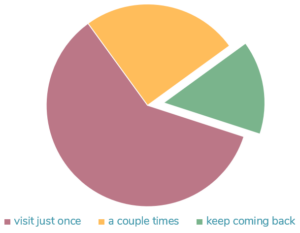
    If you are like most small businesses then you spend a large amount of your marketing budget on acquiring new customers. And…

    Between 60-80% of those customers do not return after their first visit!

    This is bad news on many fronts…

    Whats worse is, most small businesses have resigned to this statistic.

    Its all about your mindset. Things can be very different if small business owners are to adopt a mindset similar to the larger and more advanced technology driven organizations of the world. Thankfully, you’ve got friends at connectchief who have the means to help you with that

    Take a look at these top 10 reasons and see if some of them are also reasons why your customers are likely not coming back. If you can find out what your customers are thinking & feeling the most and if you can do something about fixing it then you can be on your way to phenomenal growth. And thats what we’re here to help you do!

    While customer behaviors can vary, there are several common reasons why customers may choose not to return to a retail business.

    1. Poor Customer Service: Customers value excellent service. If they encounter rude or unhelpful staff, long wait times, or a lack of assistance, they may not want to come back.
    2. High Prices: If customers perceive that a retail business charges unreasonably high prices compared to competitors or the perceived value of the products or services, they may seek alternatives.
    3. Lack of Product Quality: Customers expect products that are reliable, durable, and of good quality. If they consistently experience issues with the quality or performance of products, they may look for better options elsewhere.
    4. Inadequate Product Selection: Customers appreciate having a wide range of products to choose from. If a retail business has limited selection or frequently runs out of stock, customers may be inclined to explore other stores with more options.
    5. Negative Online Reviews: With the prevalence of online review platforms, customers often research businesses before deciding where to shop. If a retail business has numerous negative reviews regarding service, product quality, or overall experience, it can deter potential customers from returning.
    6. Inconvenient Location: The location of a retail business can significantly impact customer retention. If it’s difficult to access, has limited parking, or is far from customers’ regular routes, they may opt for more convenient alternatives.
    7. Lack of Cleanliness and Maintenance: A clean and well-maintained store environment contributes to a positive customer experience. If a retail business is consistently dirty, disorganized, or in a state of disrepair, customers may perceive it as unprofessional and seek cleaner options.
    8. Ineffective Communication: Customers appreciate clear and timely communication from businesses. If a retail business fails to provide updates on product availability, changes in store hours, or upcoming promotions, customers may feel disconnected and choose to shop elsewhere.
    9. Unresolved Customer Complaints: How a retail business handles customer complaints is crucial. If a customer has a negative experience and the business fails to address their concerns or provide satisfactory solutions, it can lead to a loss of trust and loyalty.
    10. Lack of Personalization: Customers appreciate personalized experiences and recommendations. If a retail business fails to understand their preferences, provide tailored offers, or remember their previous interactions, customers may feel undervalued and opt for businesses that offer more personalized attention.

    While addressing each of these factors can be challenging, businesses that prioritize customer satisfaction, invest in staff training, maintain product quality, and foster strong communication channels are more likely to retain customers and foster long-term loyalty.

    At connectchief, we make software tools to help you power up your business.

    We can help your business with addressing and getting ahead of many of the above issues –

    1. connectchief can help you measure user experience in real-time and figure out the corrective actions you need to take to align with customer expectations. Ask us about visitXP and our retail analytics tools
    2. connectchief can help you find new customers – Ask us about promoENGINE
    3. connectchief can help you with tools that keeps you on top of mind with your new visitors and help you to bring them back. Ask us about loyaltyENGINE
    4. connectchief can help you build a communication bridge with your customers without spamming them on email – ask us about how we help you send out Announcements and flash sales
    5. connectchief can help you collect reviews from customers and showcase them at your place of business. Ask us about trustENGINE
    6. connectchief can also help you receive customer complaints and communications directly so you can respond to them promptly. ask us about hearecho
    7. we’re always interacting with our clients and helping them solve problems, improve efficiency and simply do better through use of technology. If you have ideas or suggestions, we would love to hear from you
  • Why we’re building loyaltyENGINE?

    1. Why we’re building connectchief…
    2. Every business should build its ecosystem for growth
    3. Why did we create trustENGINE?
    4. Why we are building promoENGINE?
    5. Why are we building flexxWORK?
    6. Why we’re building loyaltyENGINE?

    Having a loyalty program is crucial for businesses of all sizes and industries. It offers numerous benefits that can help drive customer retention, increase revenue, and build brand loyalty.

    Here are some key reasons why every business should have a loyalty program:

    Customer Retention: A loyalty program incentivizes customers to continue engaging with your business. By rewarding their loyalty, you create a strong incentive for them to keep coming back. This leads to higher customer retention rates, reducing the need for constantly acquiring new customers and increasing the lifetime value of existing ones.

    + Increased Sales: Loyalty program members tend to spend more and make more frequent purchases than non-members. By offering exclusive rewards, discounts, or personalized offers, you can motivate customers to choose your business over competitors. This, in turn, leads to increased sales and revenue generation.

    + Word-of-Mouth Marketing: Loyal customers who are part of your loyalty program become brand advocates. They are more likely to recommend your business to their friends, family, and colleagues. Positive word-of-mouth marketing can significantly impact your business’s reputation and attract new customers, helping to expand your customer base organically.

    + Data Collection and Customer Insights: A loyalty program provides a valuable opportunity to gather customer data and gain insights into their preferences, behaviors, and purchasing patterns. This data can be used to personalize marketing efforts, improve products or services, and tailor the overall customer experience. Understanding your customers better allows you to make informed business decisions and deliver targeted offers that resonate with them.

    + Competitive Advantage: In today’s competitive marketplace, having a loyalty program can give your business a competitive edge. It differentiates you from competitors and creates a sense of exclusivity for your customers. A well-designed and rewarding loyalty program can attract new customers and retain existing ones, positioning your business as the preferred choice in the market.

    + Emotional Connection and Brand Loyalty: Loyalty programs foster a sense of emotional connection between customers and your brand. By consistently rewarding their loyalty, you build trust, strengthen the customer-brand relationship, and cultivate brand loyalty. Customers who feel appreciated and valued are more likely to remain loyal and become long-term advocates for your business.

    But traditinal loyalty programs aren’t exactly easy to run…

    • Tracking and Administration – Managing a physical punch card system requires meticulous tracking and administration. It can be time-consuming and error-prone to manually keep track of customer punches, verify their eligibility for rewards, and handle card replacements or transfers. This process becomes increasingly challenging as the number of customers and transactions grows.
    • Limited Customer Insights – Punch card-based loyalty programs often lack the ability to gather meaningful customer data. Without capturing customer information, businesses miss out on valuable insights that can help them understand their customers’ preferences, behaviors, and purchase patterns. This data is essential for making informed business decisions and delivering personalized experiences.
    • Lack of Flexibility – Traditional punch card programs typically have limited flexibility in terms of reward options and customization. This lack of flexibility may not align with the diverse preferences and needs of customers. It can also make it challenging to offer personalized rewards or adapt the program based on changing market conditions or customer demands.
    • Ineffective Communication – Communicating with customers and keeping them informed about program updates, rewards, or promotions can be challenging with a physical punch card system. Businesses often rely on manual methods like in-store signage, verbal communication, SMS or emails (and we know how much customers hate being spammed), which may not effectively reach all customers or provide consistent messaging
    • Limited Scalability – As a business grows and attracts more customers, managing a physical punch card-based loyalty program becomes increasingly difficult to scale. The administrative burden and logistical challenges can become overwhelming, especially when trying to provide a consistent experience across multiple locations or channels.
    • Inconvenience for Customers – Carrying physical punch cards can be inconvenient for customers. They may forget or misplace the cards, leading to frustration or missed opportunities to earn rewards. In today’s digital age, where customers expect convenience and seamless experiences, relying on physical cards can be seen as outdated and less user-friendly.
    Digital loyalty program platforms offer greater convenience, flexibility, and data collection capabilities, allowing businesses to deliver more personalized rewards, track customer behavior, and create a more engaging loyalty experience.

    We created LoyaltyEngine to help our clients harness the power of loyalty programs while helping eliminate the challenges with traditional loyalty methods like punch cards. A well-executed loyalty program is a powerful tool for businesses. It enhances customer retention, drives sales, generates positive word-of-mouth marketing, provides valuable customer data, creates a competitive advantage, and cultivates brand loyalty. By implementing a loyalty program on LoyaltyEngine, your business can establish a strong foundation for sustainable growth and success.

    What makes LoyaltyEngine so cool!

    1. Its completely digital – so its brings to you all the advantages of digital platform like promotion flexibility, data collection capabilities, personalizated rewards, and a more engaging experience for customers
    2. No punch cards to carry. No apps to install Simply scan the QR code at the store and your loyalty points are right there for you to redeem.
    3. Your customers hate installing apps – so no app is required
    4. Your customers get too much email or SMS – so we do not send emails or SMSs. Customers can receive announcements from you when they scan the QR code (in the moment) or the ones who install apps can receive special promotions & announcements (opt-in only) within the app
    5. The end-users experience is completely personalized – your most loyal customers can get the most royal treatment 🙂

    Ultimately, and as its goes for everything with connectchief. You, the business owner are in control. We’re simply making software tools to help you supercharge your business!
    Try out our LoyaltyEngine for free for the first 90days.